








































Working in confined spaces is routine for electricians. This guide outlines essential safety questions contractors must ask to ensure compliance and minimise risks on site.
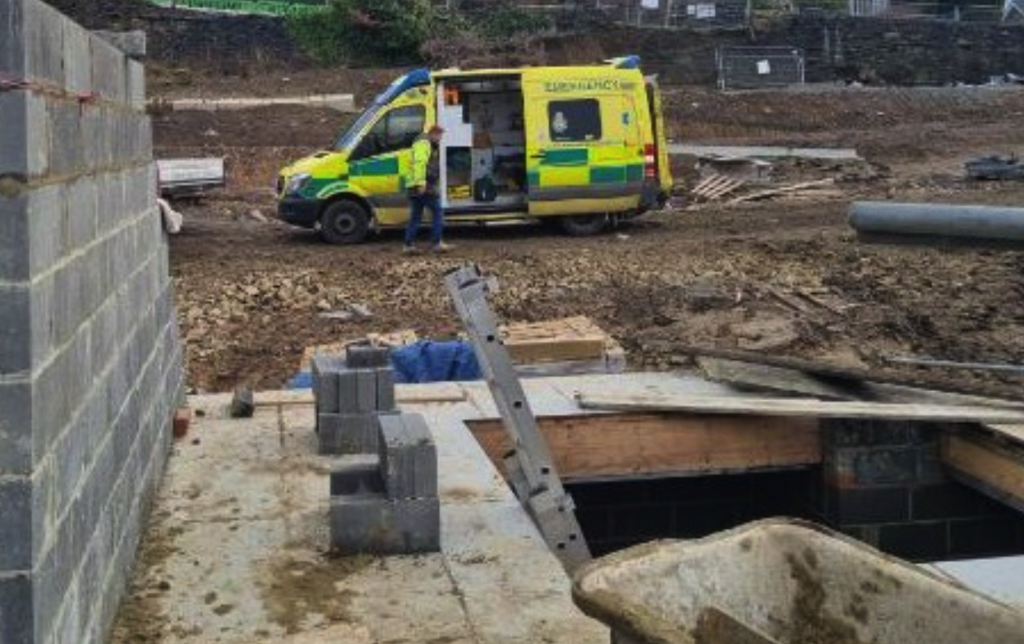
For many electrical contractors across the UK, confined spaces are an unavoidable part of the job. Whether it's accessing cable runs in sub-stations, maintaining equipment in plant rooms, or performing diagnostics within enclosed structures, the risks associated with these environments are significant and demand rigorous attention to safety protocols. Employers and individual tradespeople alike must adhere to stringent regulations to prevent serious injury or even fatalities.
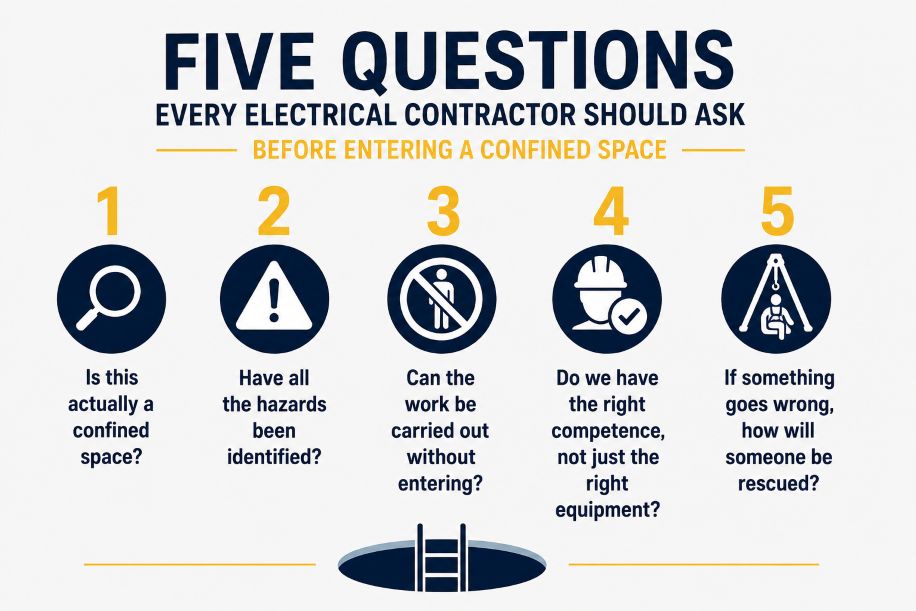
Understanding what constitutes a confined space is the first step. The Health and Safety Executive (HSE) defines it as 'an enclosed space where there is a risk of serious injury from hazardous substances or dangerous conditions (e.g. lack of oxygen)'. This broad definition means that many everyday work environments could unexpectedly fall under confined space regulations, necessitating a thorough risk assessment before entry.
Key questions that must be addressed before any work commences include a comprehensive assessment of the atmosphere. Is there sufficient oxygen? Are there any flammable or toxic gases present? This often requires specialised gas detection equipment. Ventilation is another critical factor; can the space be adequately ventilated to remove contaminants and ensure breathable air? Emergency procedures are paramount: how will workers be rescued if something goes wrong, and what equipment is available? Communication systems, such as two-way radios, are also vital to maintain contact with those inside and outside the space.
Furthermore, the nature of the work itself needs careful consideration. What tools are being used? Could they generate sparks or fumes that exacerbate risks within the confined environment? Are the workers adequately trained for confined space entry and rescue? Competence and experience are non-negotiable when dealing with such high-risk scenarios.
For UK tradespeople and serious DIYers, this emphasis on confined space safety directly impacts the tools and safety equipment they might need to purchase or hire. Firstly, a reliable gas detector is essential if there's any possibility of working in an enclosed space. Brands like Crowcon, Dräger, and MSA offer various multi-gas detectors, available from specialist safety suppliers or larger retailers like RS Components and Farnell. Prices can range from £300 for basic single-gas units to over £1,000 for advanced multi-gas models. Secondly, adequate ventilation equipment, such as portable blowers or extractors from brands like Sealey or SIP, might be necessary. These can cost between £150 and £500, depending on power and airflow. Thirdly, personal protective equipment (PPE) like harnesses, tripods, and winches for confined space rescue, often from specialist safety brands like Capital Safety (DBI-SALA) or JSP, are significant investments, potentially running into thousands of pounds for a complete system. While a serious DIYer might occasionally encounter a confined space (e.g., under floorboards or in a loft with poor ventilation), the full suite of professional confined space entry equipment is typically a purchase or hire for professional contractors. When hiring, always ensure the equipment is certified, recently serviced, and suitable for the specific task. For any purchase, check for UKCA marking and relevant British Standards (BS EN) to ensure compliance and reliability. Retailers like Screwfix and Toolstation offer some basic PPE and ventilation fans, but for specialist confined space equipment, trade-focused suppliers or hire centres are the primary source.
Ultimately, the proactive identification and mitigation of risks associated with confined spaces are not merely regulatory burdens but fundamental components of responsible working practices. By asking the right questions and investing in the appropriate training and equipment, electrical contractors can safeguard their teams and maintain a compliant, safe working environment.
Reported by Electrical Contracting News — original article
Price alerts on the kit you're watching, plus the deals our team files each day.
Create a free account