



































The Institution of Occupational Safety and Health highlights how intricate supply chains in construction can obscure modern slavery, urging vigilance from businesses and buyers.
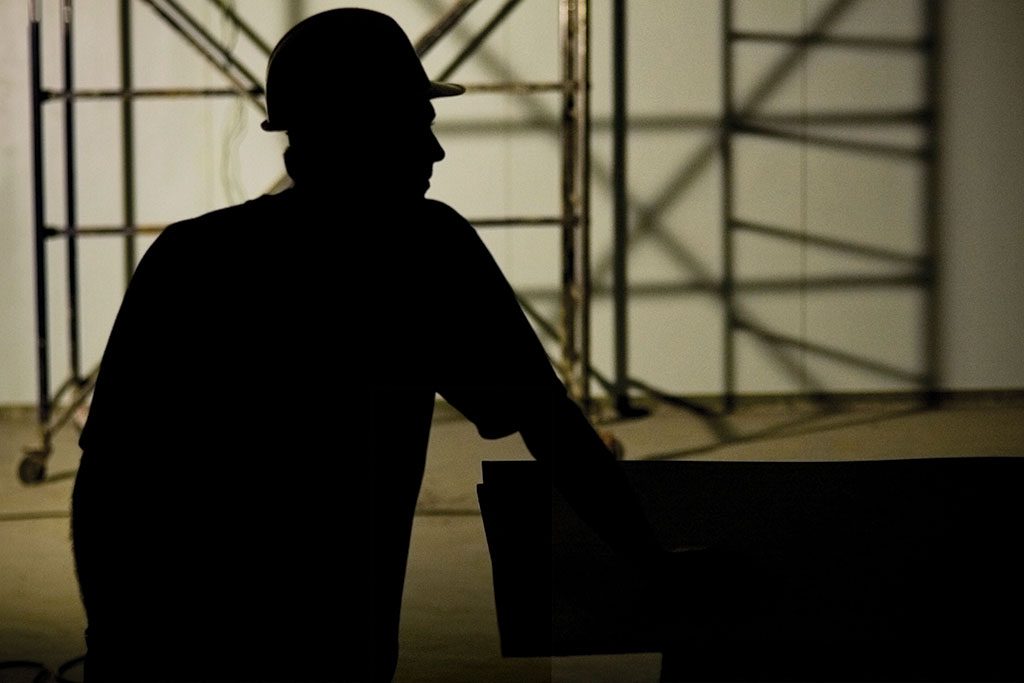
The Institution of Occupational Safety and Health (IOSH) has issued a significant warning regarding the heightened risk of modern slavery within the construction sector. The body points to the complex and often opaque nature of supply chains as a primary factor that can inadvertently mask efforts to identify and eradicate exploitative labour practices.
This concern arises from findings of a survey conducted by IOSH, which gathered insights from over a thousand business leaders across various industries. While the specific details of the survey's findings for construction were not fully elaborated in the initial report, the overarching message underscores a critical challenge for an industry heavily reliant on intricate networks of suppliers, subcontractors, and labour providers.
The construction industry's reliance on a globalised supply chain, often involving multiple tiers of contractors and material sourcing from diverse international locations, creates numerous potential points where ethical oversight can become diluted. This complexity makes it difficult for even well-intentioned companies to maintain full visibility and control over labour conditions at every stage of their supply chain, from the raw materials extraction through to manufacturing and on-site delivery.
For a UK tradesperson or serious DIYer, this IOSH warning might seem distant from their daily purchases at Screwfix, Toolstation, Wickes, or B&Q. However, it has direct implications for the ethical landscape of the products they buy. While it doesn't immediately change what they should pay or the specific product features they receive, it absolutely changes what they should watch out for. Consumers and tradespeople are increasingly becoming aware of the ethical footprint of their purchases. This means looking beyond just price and brand to consider the provenance of tools, workwear, and building materials. While major retailers have their own due diligence processes, the complexity highlighted by IOSH suggests that issues can still slip through. There's no immediate call to stop buying specific brands, but it encourages a more inquisitive approach. If a deal seems too good to be true, especially for materials or tools from less transparent origins, it might be worth a moment's pause. Asking retailers about their supply chain policies, or checking if brands are members of ethical trade initiatives, can contribute to greater transparency and pressure for responsible sourcing across the industry.
The practical takeaway for businesses operating within or supplying the construction sector is a reinforced imperative for robust due diligence. This goes beyond superficial checks and requires a deep dive into the entire supply chain, scrutinising sub-contractors and material suppliers for their labour practices. It means implementing clear codes of conduct, conducting regular audits, and fostering an environment where concerns about labour exploitation can be reported without fear.
For those purchasing tools, workwear, and building materials, understanding the provenance of products is becoming increasingly important. While it's not always easy to trace every component, supporting retailers and brands that demonstrate clear commitments to ethical sourcing and supply chain transparency can collectively drive positive change. This includes looking for certifications or public statements from companies regarding their efforts to combat modern slavery. Ultimately, greater awareness and demand for ethical sourcing from all stakeholders can help mitigate these risks within the construction industry's complex networks.
Reported by Construction News — original article
Price alerts on the kit you're watching, plus the deals our team files each day.
Create a free account