








































Associated Asphalt calls for smarter materials and interconnected design to build climate-resilient UK roads capable of withstanding extreme weather.
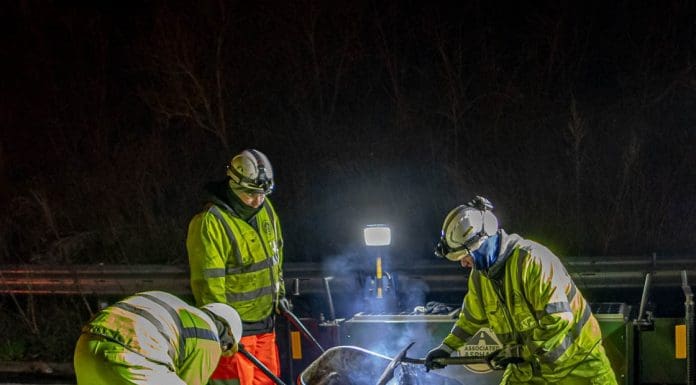
UK transport infrastructure faces increasing strain from severe weather events, prompting calls for a fundamental shift in how roads are designed, specified, and maintained. According to Dr Paul Phillips, technical director at Associated Asphalt, the national road network must be treated as an integrated ecosystem rather than mere layers of aggregate and bitumen. Smarter material selection, improved drainage integration, and proactive maintenance strategies are vital to preventing widespread surface deterioration and ensuring long-term road safety.
Traditional tarmac specifications are struggling to cope with hotter summers and heavier winter rainfall. Developing climate-resilient highways requires advanced bituminous binders, recycled additives, and enhanced pavement design that resist rutting, cracking, and water ingress. Integrating intelligent design into early-stage planning allows local authorities and main contractors to extend surface lifespans and reduce the frequency of costly emergency repairs.
What does this mean for a UK tradesperson or DIYer actually buying this kit — does it change what they should pay, buy, or watch out for? While civil infrastructure projects sit downstream from daily merchant purchases, shifting asphalt standards directly affect civil engineering sub-contractors, groundworkers, and surfacing gangs. Expect commercial tenders to increasingly specify high-performance asphalt mixes and modified binders over standard cold-lay products. Groundworkers buying bulk asphalt, repair compounds, or joint sealants from regional merchants should watch for updated local authority specifications. Purchasing higher-grade repair mortars now will prevent repeat site visits, though contractors must factor potential material price premiums into job quotes.
As civil specifications tighten around weather resilience, sub-contractors should audit their material choices. Using standard cold-pack asphalt for permanent reinstatements is increasingly non-compliant on major works; investing in specified polymer-modified materials ensures long-term job durability.
Reported by PBC Today — original article



Price alerts on the kit you're watching, plus the deals our team files each day.
Create a free account