








































Trianco's Activair heat pump range offers high-temperature monobloc heating without outdoor units, simplifying retrofits for UK heating engineers.
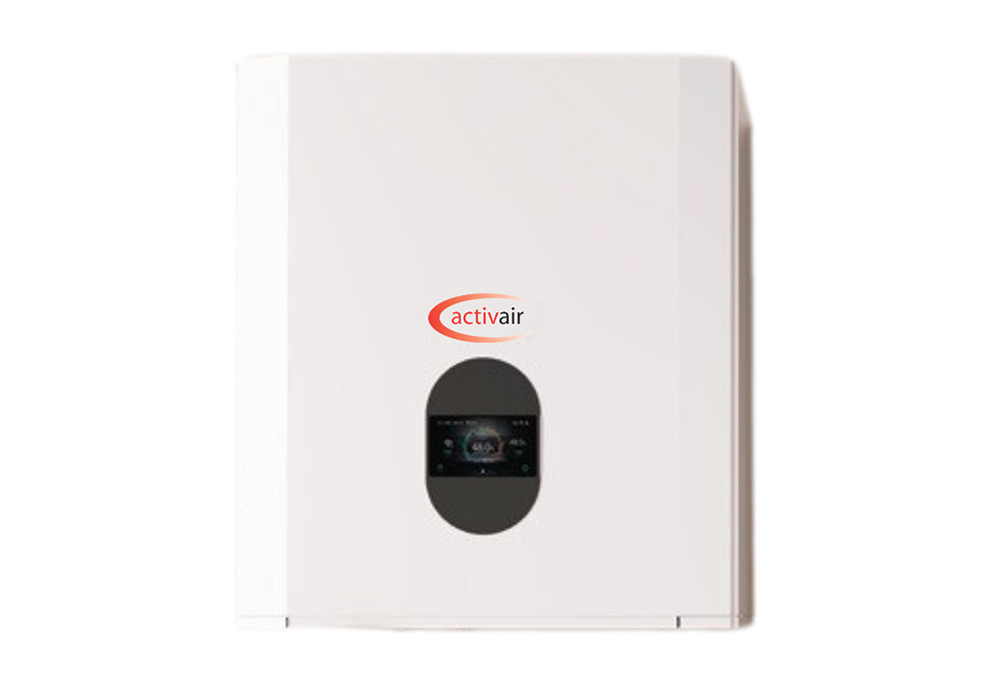
UK heating manufacturer Trianco has expanded its Activair range to address common structural and physical barriers to residential heat pump adoption. The updated lineup introduces high-temperature monobloc units designed to operate without requiring traditional external fan units. Utilizing low Global Warming Potential (GWP) refrigerants, the systems target both domestic retrofits and new-build specifiers looking to meet stricter carbon reduction targets.
Alongside the hardware modifications, the units incorporate advanced remote monitoring software. This allows heating engineers and specifiers to track system performance, diagnose operational faults off-site, and manage flow temperatures to maintain efficiency without unnecessary call-outs.
Traditional air-source heat pumps often present installation headaches for UK tradespeople, particularly regarding spatial planning, outdoor siting rules, and noise regulations near property boundaries. Trianco's design bypasses the need for an external wall-mounted or ground-mounted compressor unit, opening up installations in space-restricted urban housing, high-density developments, and leasehold properties where external modifications are restricted.
Furthermore, the high-temperature delivery capability reduces the immediate need to swap out existing panel radiators for oversized alternatives, lowering the overall disruption and labor duration on retrofit sites.
For plumbing and heating engineers, this system changes the buying criteria when quoting tricky urban retrofits where an outdoor unit is a dealbreaker for planning or space reasons. While monobloc units without external components may carry a higher initial unit hardware cost compared to standard split systems, installers can offset this by saving on external mounting brackets, complex refrigerant line runs, and extensive pipe insulation outdoors. Installers should watch out for internal spatial requirements and ventilation ducting pathways, ensuring the property layout allows adequate airflow without compromising interior living space. DIYers should note that despite simpler physical footprints, installation still requires qualified heating professionals to ensure system balancing and warranty validation.
Reported by Housebuilder & Developer — original article


Price alerts on the kit you're watching, plus the deals our team files each day.
Create a free account