







































A comprehensive side-by-side test of 9 utility knives from 8 major brands highlights key features in blade security, ergonomics, and durability.
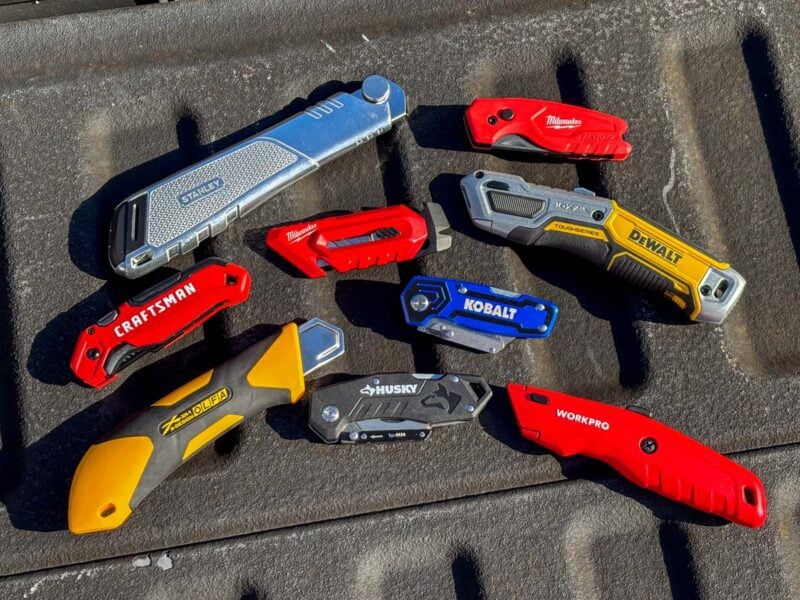
A multi-brand head-to-head evaluation evaluated nine utility knives across eight tool manufacturers to identify top performers in blade retention, housing durability, and ergonomics. The testing covered standard folding models, fixed-blade designs, and retractable options commonly used across various construction trades.
Utility knives remain one of the most frequently replaced hand tools on site, used for cutting plasterboard, carpet, insulation, and packaging material. Key factors assessed during testing included ease of blade changes without secondary tools, internal blade storage capacity, and overall grip stability when applying heavy downward pressure.
What does this mean for a UK tradesperson or DIYer actually buying this kit — does it change what they should pay, buy, or watch out for? While utility knives are low-cost consumable tools, spending between £10 and £20 for a high-performing model can significantly improve safety and efficiency. UK buyers shopping at Screwfix, Toolstation, or local merchants should focus on models featuring tool-free blade change mechanisms and robust metal body construction rather than budget plastic alternatives. Avoid buying complex folding designs if you regularly work in dusty environments like plasterboarding, as grit can easily jam internal locking mechanisms over time.
Prioritise models with quick-release blade mechanisms and ergonomic metal housings. Investing slightly more in a reliable body ensures better control and reduces the risk of accidental blade slippage during heavy cuts.
Reported by Pro Tool Reviews — original article
Price alerts on the kit you're watching, plus the deals our team files each day.
Create a free account