







































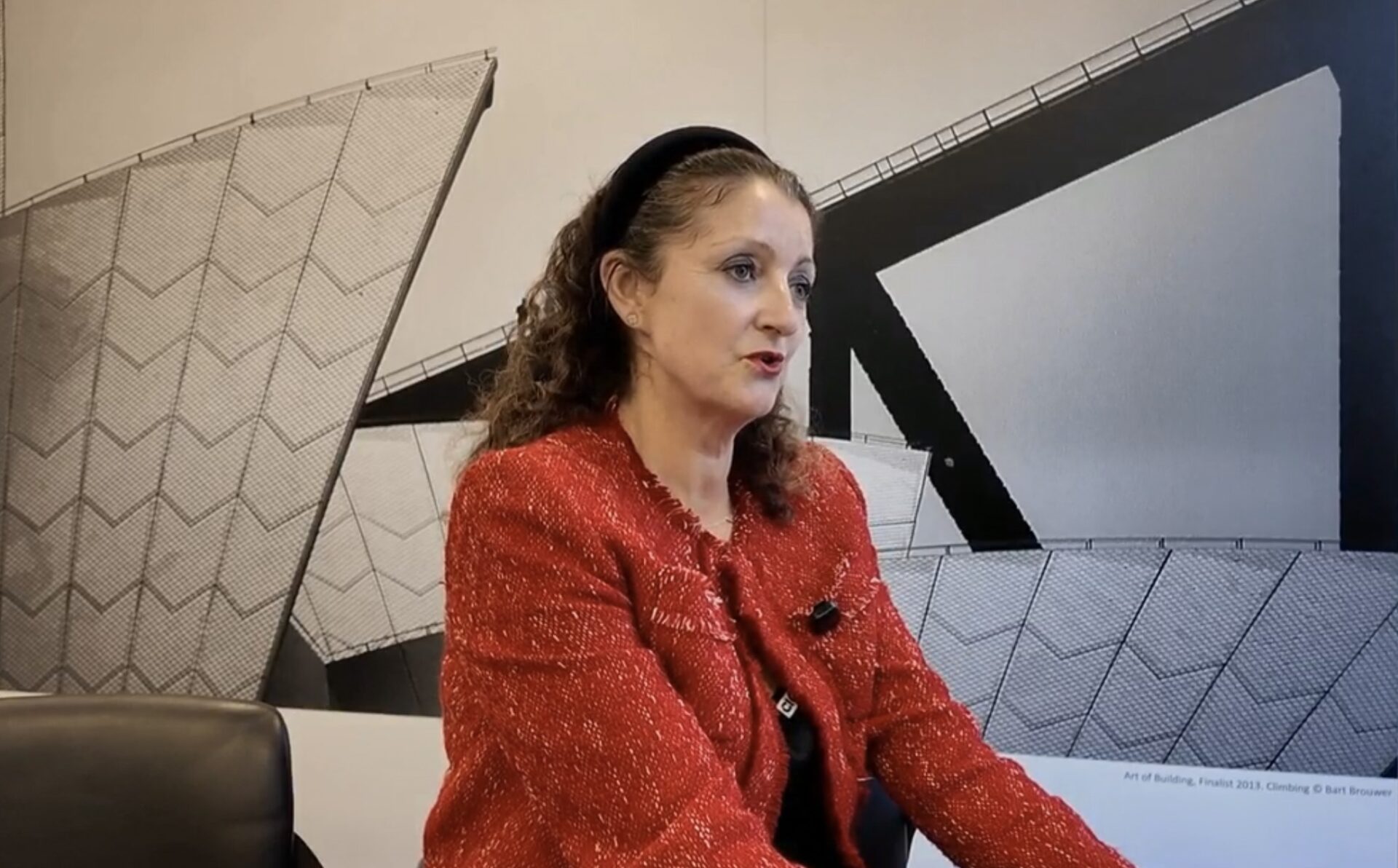
AI and machine learning are shifting fire engineering from basic simulation to predictive design, improving compliance and structural safety in UK building.

Fire engineering in the UK construction sector is undergoing a significant shift as machine learning models begin to supplement traditional computer simulations. According to insights from engineering consultancy Mott MacDonald, artificial intelligence allows engineers to model complex fire scenarios in fraction of the time previously required. Rather than simply evaluating a completed architectural plan, predictive AI enables fire safety considerations to be integrated into the initial structural design phase.
While the computational capability of machine learning is advancing rapidly, adopting these systems within safety-critical sectors demands rigorous validation. Engineering firms must establish high levels of confidence in algorithmic outputs before replacing established testing protocols, ensuring that speed does not compromise occupant safety or regulatory compliance.
What does this mean for a UK tradesperson or DIYer actually buying this kit — does it change what they should pay, buy, or watch out for?
For site-level tradespeople, joiners, and main contractors, this technological shift will not immediately alter the retail price of standard fire-rated products such as Intumescent seals, plasterboard, or fire-stop foam at merchants like Screwfix or Toolstation. However, it will fundamentally change project specifications before work begins on site. As predictive AI is adopted by structural engineers, design approvals for fire-rated assemblies will become faster, leading to fewer late-stage specification changes that cause project delays.
Tradespeople should watch out for increasingly precise material requirements on architectural drawings. Rather than relying on generic fire-rated substitutes, installers will need to adhere strictly to the exact spec sub-components dictated by AI modeling, as compliance sign-offs under updated building safety legislation will depend heavily on matching these predictive designs.
Machine learning will streamline the design phase of complex builds, reducing friction between fire consultants and main contractors. The primary practical takeaway for sub-contractors and installers is to prepare for tighter material compliance tracking, ensuring that every fire-stopping component installed on site precisely matches the digitally verified design specification.
Reported by Construction Management — original article



Price alerts on the kit you're watching, plus the deals our team files each day.
Create a free account