






































Learn the practical differences between heavy-duty workwear and casual work apparel to select the right kit for durability and site safety.
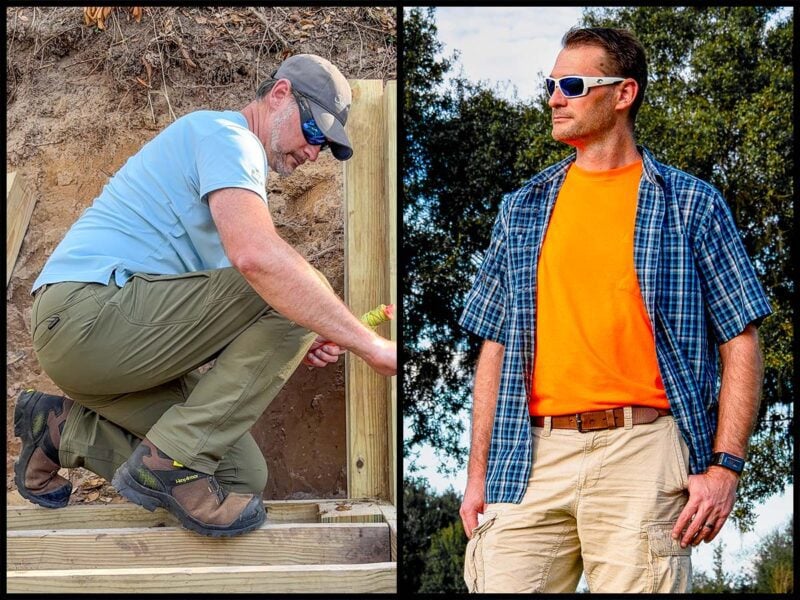
The distinction between genuine workwear and lifestyle work apparel is increasingly blurred as major clothing brands incorporate utility aesthetics into mainstream lines. While casual work apparel adopts visual elements like heavy stitching, canvas fabrics, and utility pockets, it is primarily designed for comfort and everyday wear. True workwear, by contrast, prioritizes garment strength, abrasion resistance, and structural longevity needed for demanding site conditions.
Understanding this divide is critical for buyers evaluating garment performance against everyday wear and tear. Heavy-duty garments use reinforced rivets, high-density cotton duck, or cordura paneling to resist tears from sharp building materials, rough timber, and power tool friction. Casual apparel inspired by workwear often uses lighter cotton blends that feel comfortable straight off the peg but lack the tensile strength required for sustained trade use.
When shopping at major trade outlets like Screwfix, Toolstation, or Wickes, tradespeople and DIYers must look past style and check technical specifications. Casual utility wear may look identical on the shelf, but genuine workwear requires specific features like triple-stitched seams, reinforced knee-pad pockets, and heavy GSM (grams per square metre) fabric ratings. Buying lightweight work apparel for intensive trade jobs usually leads to premature fraying and frequent replacements. Expect to pay a higher upfront price for purpose-built garments from dedicated trade brands, but the investment translates directly to longer wear life and superior safety compliance on site.
Reported by Pro Tool Reviews — original article
Price alerts on the kit you're watching, plus the deals our team files each day.
Create a free account