








































Recent industry research reveals high rates of electrical incidents among UK sparkies, prompting fresh calls for strict safe isolation routines.
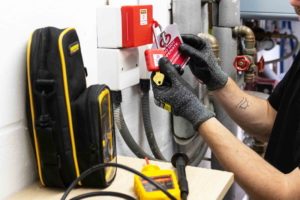
New research has highlighted the alarming frequency of electrical shocks and safety incidents experienced by UK electricians while working on live installations. The findings underline a persistent gap in site practice regarding safe isolation procedures, despite rigorous regulations governing live working across domestic, commercial, and industrial sites.
In response to the data, industry safety advocates have promoted the ALIVE framework—a structured five-step memory aid intended to make safe isolation an instinctive standard procedure on every job site. Incidents frequently stem from time pressure, poor lock-out tag-out protocols, or reliance on unverified testing instruments, leading to avoidable contact with live conductors.
What does this mean for a UK tradesperson or DIYer actually buying this kit — does it change what they should pay, buy, or watch out for?
This research reinforces that safe isolation equipment is non-negotiable personal kit, not an optional luxury. Electricians and serious DIYers working on consumer units or rewires should ensure they purchase proper GS38-compliant voltage indicators and dedicated lock-off kits rather than relying solely on non-contact voltage detectors or multimeters. A basic, compliant safe isolation lock-off kit from merchants like Screwfix or Toolstation costs between £30 and £60—a trivial outlay compared to the physical risk of working live. Tradespeople should audit their toolbags immediately to replace non-compliant test leads and broken padlocks.
Every electrician and trade professional must ensure that test equipment is verified against a known proving unit both before and after checking a circuit. Incorporating a standardized routine like the ALIVE steps prevents complacency and reduces the risk of serious site injuries.
Reported by PHPI Online — original article
Price alerts on the kit you're watching, plus the deals our team files each day.
Create a free account