









































The UK construction sector remains 'firmly stuck in neutral' according to a new report, impacting material supply, prices, and project pipelines for tradespeople and serious DIYers.
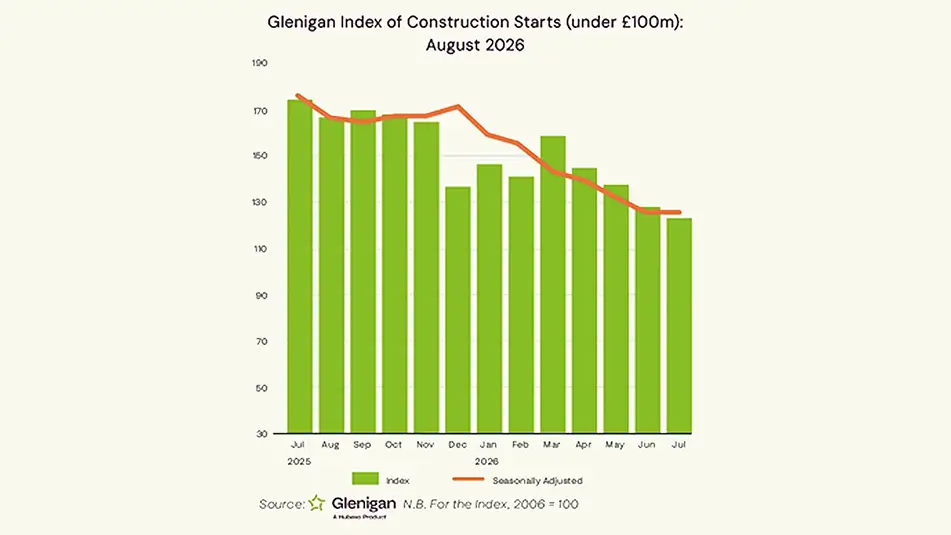
The UK construction sector is experiencing a prolonged period of stagnation, with recent reports indicating that the industry remains 'firmly stuck in neutral'. This lack of growth is a significant concern for the broader economy and has direct implications for tradespeople and serious DIYers across the country.
The current climate is characterised by a challenging economic backdrop, including high interest rates and persistent inflation. These factors are dampening demand for new construction projects, particularly in the private residential sector, which is a key driver of activity for many trades. Commercial construction is also feeling the pinch, with fewer new developments getting off the ground.
While civil engineering projects offer a rare bright spot, their impact is not enough to offset the downturn in other areas. This uneven performance means that while some trades might find work in large infrastructure schemes, many others are facing reduced pipelines and increased competition for smaller jobs.
A stagnant construction sector directly translates to fewer opportunities for electricians, plumbers, joiners, and builders. With fewer new homes being built and commercial projects on hold, the demand for their services naturally decreases. This can lead to tighter margins on jobs, as businesses compete more aggressively for available work. Subcontractors may find payment terms becoming less favourable, and the overall pace of work could slow down.
Furthermore, the lack of growth impacts material suppliers. While a slowdown might, in theory, ease some supply chain pressures, the underlying economic conditions often keep material prices elevated. Manufacturers and distributors face their own cost pressures, meaning any potential price reductions for bulk materials like timber, aggregates, or even common fixings might not materialise as quickly as one would hope during a downturn.
For a UK tradesperson or serious DIYer, this stagnation primarily means keeping a very close eye on material prices and availability. While the overall demand for new builds is down, specific material costs may not fall significantly due to broader inflationary pressures and energy costs affecting manufacturing. You might see more frequent, short-term promotions from retailers like Screwfix, Toolstation, Wickes, and B&Q on specific lines of tools or consumables as they try to stimulate sales in a tougher market. However, don't expect a widespread collapse in prices for core building materials. It's crucial to compare prices across different merchants – Travis Perkins and independent merchants might offer better bulk deals than the larger DIY sheds, especially for materials where supply might be less consistent. For tools, watch out for end-of-line discounts or bundle deals as brands and retailers adjust their stock to match reduced demand. It’s a buyer’s market for some items, but essential building materials remain subject to wider economic forces.
The immediate outlook for the UK construction sector remains challenging. A sustained recovery is largely dependent on broader economic improvements, including a reduction in interest rates and a stabilisation of inflation. Until these conditions materialise, the industry is likely to continue operating in a 'neutral' gear. Tradespeople should focus on efficiency, diversifying their service offerings, and maintaining strong relationships with clients to navigate these headwinds.
Reported by Roofing Today — original article
Price alerts on the kit you're watching, plus the deals our team files each day.
Create a free account