









































Cornerstone Management Services shares findings from over 4,500 property surveys, highlighting structural and ventilation causes of damp and mould.
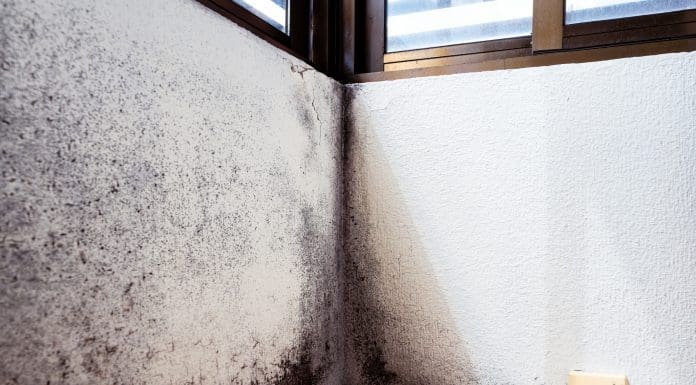
Analysis of more than 4,500 building surveys conducted by Cornerstone Management Services Limited has provided new insight into the underlying causes of damp, condensation, mould, and thermal inefficiency in UK properties. The extensive dataset challenges long-standing assumptions about domestic moisture problems, shifting the focus toward structural defects, ventilation failures, and building physics rather than simple occupant behavior.
The findings indicate that recurring mould and condensation issues are frequently triggered by compromised building envelopes, inadequate background ventilation, or incorrect thermal bridging remedies. By evaluating real-world structural data, the report emphasizes the necessity of diagnosing root causes before specifying remedial treatments or deploying surface-level fixes.
Addressing moisture ingress and internal condensation remains a primary operational challenge for social housing providers, private landlords, and general builders. With stricter enforcement around living standards and indoor air quality across the UK housing stock, trade professionals face increased accountability for long-term repairs. Misdiagnosing a rising damp issue when the actual cause is trapped internal humidity or a breached cavity can lead to costly rework, disputed warranties, and ongoing property damage.
For builders, plumbers, and joiners sourced through merchants like Screwfix, Toolstation, or Travis Perkins, these findings reinforce the need to invest in proper diagnostic tools before purchasing expensive damp-proofing chemicals or membranes. Tradespeople should prioritize accurate moisture meters, thermal imaging cameras, and calibrated hygrometers over immediate reliance on damp-proof injection fluids or anti-mould paints. Spending money on corrective ventilation kit—such as continuous mechanical extract ventilation (MEV) units, positive input ventilation (PIV) systems, or trickle-vented window profiles—will yield far better long-term results than repeatedly applying topical sealants. When pricing remedial work, contractors should factor in the cost of inspecting cavity walls and sub-floor ventilation rather than offering quick surface treatments that fail to resolve structural moisture paths.
Reported by PBC Today — original article
Price alerts on the kit you're watching, plus the deals our team files each day.
Create a free account