








































Choosing the right sealant for bathroom and kitchen installs prevents early failure, mould growth, and expensive call-backs for UK plumbers and joiners.
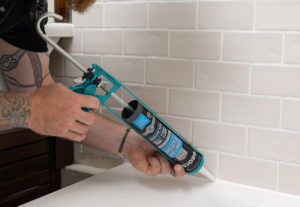
Selecting the correct sealant is a critical step in completing kitchen and bathroom fit-outs. While making up a minor portion of total material spend, using the wrong formulation can lead to premature failure, water ingress, and unsightly mould growth. Trade professionals must evaluate factors such as substrate material, moisture exposure, and joint movement before picking a tube off the shelf.
Sanitary silicone remains the standard choice for wet areas due to its flexibility and high water resistance, particularly around baths, shower trays, and sinks. For perimeter joints around window frames or architraves, acrylic sealants allow for easy painting, though they lack the durability needed for constant wet zones. Modern hybrid polymers are increasingly popular because they combine strong adhesion to damp surfaces with excellent flexibility and over-paintability, reducing the need to carry multiple distinct formulations on the van.
What does this mean for a UK tradesperson or DIYer actually buying this kit — does it change what they should pay, buy, or watch out for?
For tradespeople and serious DIYers shopping at Toolstation, Screwfix, or B&Q, this highlights why buying on price alone can be costly. A basic £2 to £3 decorator’s caulk used in a shower area will fail rapidly, resulting in water damage and unpaid call-backs. Investing £6 to £12 in high-grade sanitary silicones (such as Dow Corning 785 or Everbuild 500) or premium hybrid sealants (like CT1 or Stixall) ensures long-term performance. Always check the label for anti-fungal properties and elasticity ratings before buying, matching the chemistry to whether the joint requires water resistance, paintability, or high movement.
Never rely on a single sealant type for every job; match the chemical properties of the product directly to the moisture levels, movement expectations, and finish requirements of the space.
Reported by PHPI Online — original article




Price alerts on the kit you're watching, plus the deals our team files each day.
Create a free account