






































RubberCover marks 20 years of its single-ply EPDM flat roofing system, a staple material for UK roofers, builders, and extension projects.
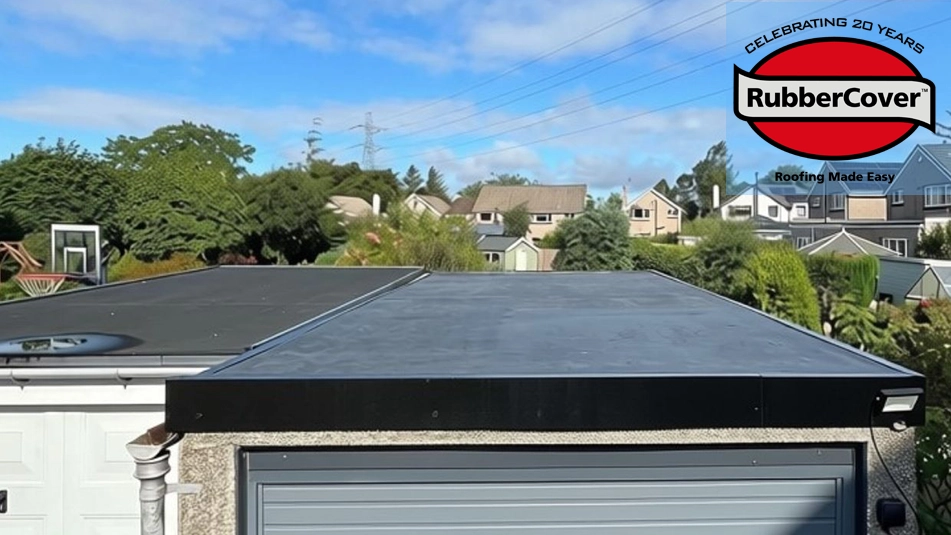
RubberCover is marking 20 years since the introduction of its flat roofing system. Over the past two decades, the brand's synthetic rubber EPDM membrane has become a staple across the UK construction sector, widely used for residential flat roofs, extensions, shed roofs, and garage refurbishments.
Designed as a single-ply waterproofing solution, the system gained traction among general builders and roofing contractors looking for an alternative to traditional multi-layer felt or hot-works bitumen systems. Its popularity stems from its cold-applied installation method, which eliminates the need for open flames on site, alongside long-term resistance to ultraviolet light and extreme weather conditions.
For UK tradespeople and contractors, the milestone underscores the industry-wide shift toward seamless elastomeric membranes on domestic projects. The availability of complete roll kits, adhesives, and tailored trim components has simplified flat roof installations for smaller building firms and multi-skilled trades, reducing the labor time required compared to torch-on felt.
RubberCover's extended track record provides reassurance on durability, which remains a key factor when offering guarantees on home extension contracts. As local authority building controls and homeowners demand reliable waterproofing, established EPDM systems continue to hold a firm position in merchant supply chains.
What does this mean for a UK tradesperson or DIYer actually buying this kit — does it change what they should pay, buy, or watch out for?
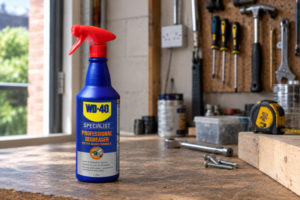
While this anniversary does not trigger an immediate price cut, it confirms that RubberCover remains a standardized product carried heavily across major national builders' merchants and specialist roofing suppliers. When purchasing EPDM membranes, buyers should ensure they source the complete system—including the manufacturer-approved contact adhesives, water-based deck glues, and edge trims—rather than mixing third-party glues. Buying bundled kits from trade merchants often yields better square-metre value than purchasing off-the-roll membrane in isolation. Furthermore, contractors should factor in the correct deck preparation tools, such as heavy-duty substrate rollers and solvent cleaners, to ensure full adhesion and preserve the manufacturer warranty.
When specifying EPDM for domestic flat roofs, always verify substrate compatibility and temperature thresholds for the adhesives, as cold-applied glues require specific working conditions to cure correctly.
Reported by Roofing Today — original article
Price alerts on the kit you're watching, plus the deals our team files each day.
Create a free account