






































A leading UK roof tile manufacturer transitions its entire forklift fleet to fully electric models to cut site emissions.
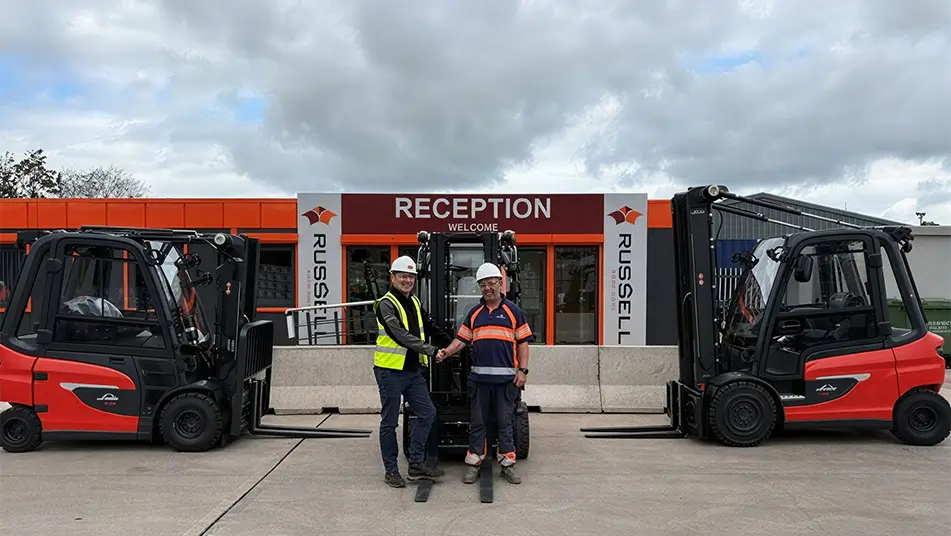
A major UK roof tile manufacturer has fully transitioned its factory and yard forklift fleet from traditional internal combustion engines to electric models. The move is designed to reduce onsite carbon emissions, lower noise pollution, and streamline operational efficiency across its manufacturing and distribution hubs.
The shift to electric material handling equipment reflects a broader trend across building product manufacturers attempting to decarbonise their supply chains. Heavy manufacturing sites, such as tile plants and brickworks, generate significant localized emissions through yard logistics, making forklift electrification an immediate route to lower environmental impact.
What does this mean for a UK tradesperson or DIYer actually buying this kit — does it change what they should pay, buy, or watch out for?
While this operational change occurs at the manufacturing level, tradespeople and roofing contractors are unlikely to see immediate price changes on roof tiles at merchant counters like Travis Perkins or Wickes as a direct result. However, contractors buying materials for projects with strict sustainability criteria should note that manufacturers with greener supply chains offer a compliance advantage. Builders should watch out for potential short-term supply stock adjustments during factory retrofits, but long-term material availability and pricing will remain primarily driven by raw energy and transport costs.
When tendering for contracts with strict environmental standards, check whether your building material suppliers utilize low-emission manufacturing and logistics, as this can strengthen your site compliance documentation.
Reported by Roofing Today — original article
Price alerts on the kit you're watching, plus the deals our team files each day.
Create a free account