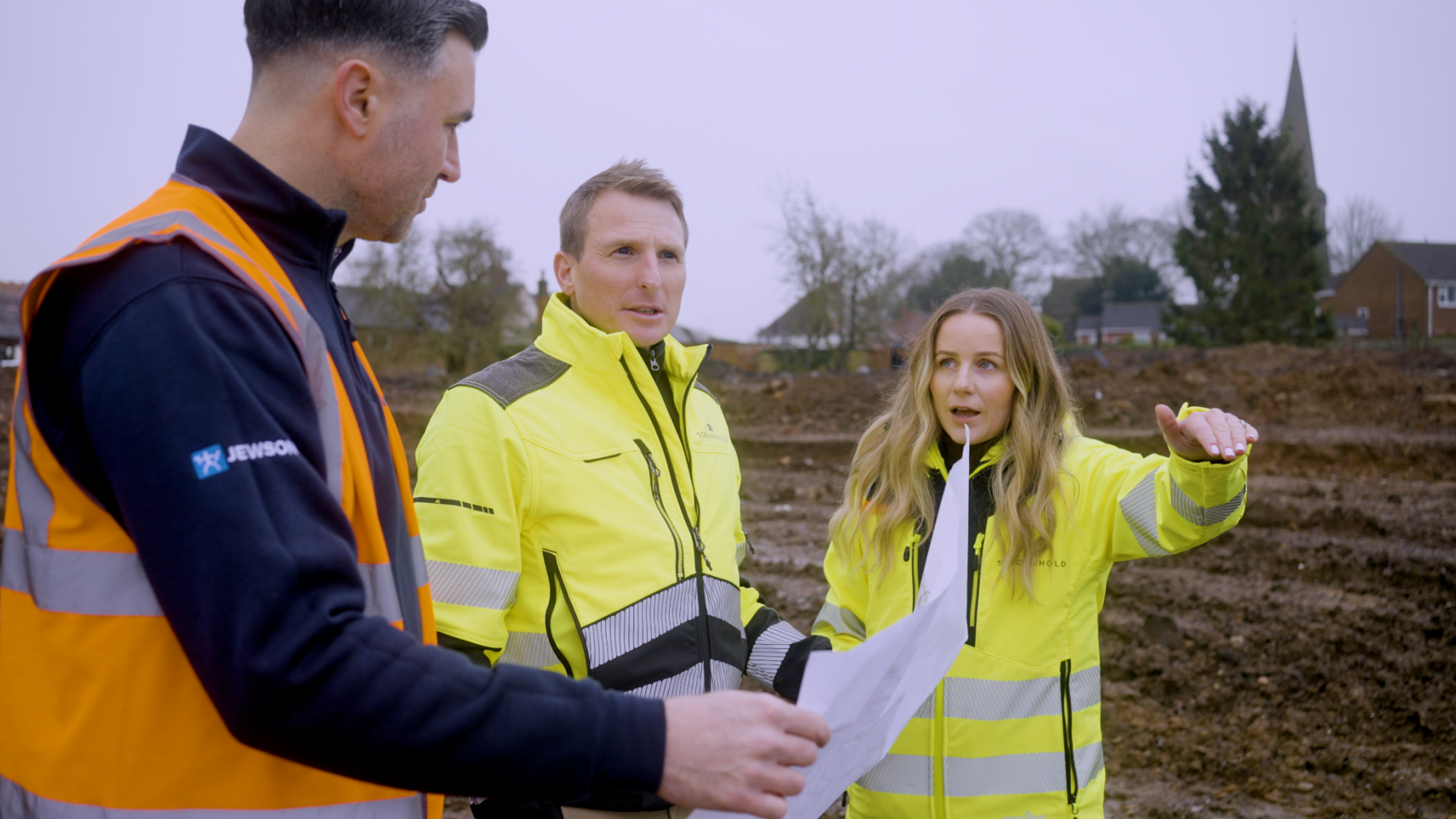









































Three years after RAAC concrete risks made national headlines, the UK construction sector shifts focus from emergency fixes to long-term monitoring.
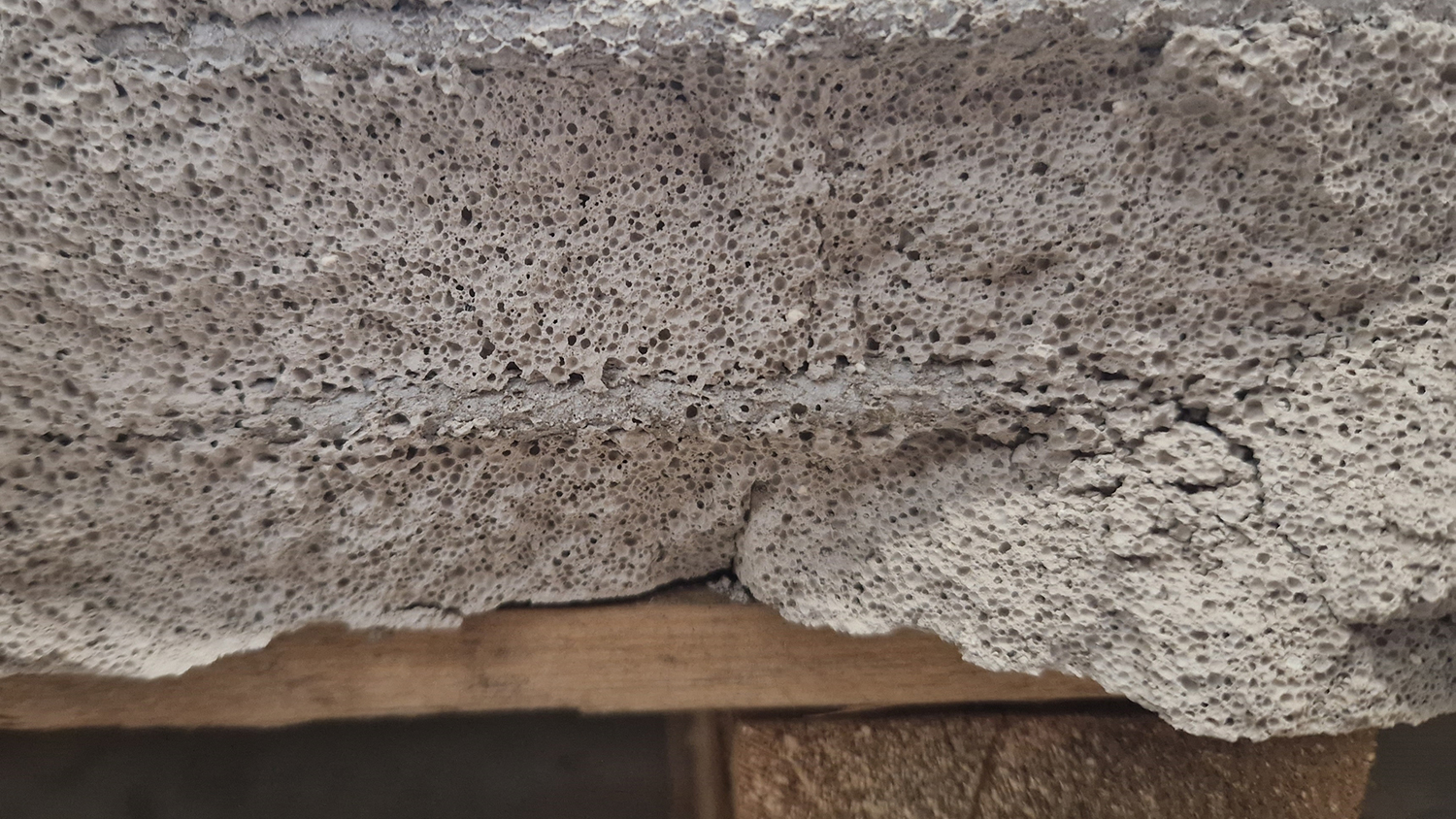
Three years after reinforced autoclaved aerated concrete (RAAC) prompted widespread emergency inspections across UK public buildings, the construction industry's approach has fundamentally matured. Initial emergency propping and temporary facility closures are increasingly giving way to long-term structural management, structural monitoring, and planned modular replacement strategies.
RAAC was widely used in roofs and walls from the 1950s to the 1990s, but its tendency to degrade rapidly under moisture ingress posed severe collapse risks. Over the past three years, structural engineers and specialist contractors have developed refined assessment frameworks. Rather than default total strip-outs, site teams now utilise non-destructive testing alongside targeted steel frame support systems to manage affected panels safely over extended operational lifespans.
For joiners, general builders, and commercial maintenance specialists, the evolution of RAAC strategies dictates a shift in the specific structural fixings, timber containment systems, and specialist power tools required for ongoing remedial work. Trades working on public sector or commercial refits are less likely to be called in for quick emergency timber propping and more likely to install engineered steel retrofits, specialized anchors, and lightweight roof deck replacements. When sourcing structural fixings or high-rated rotary hammers and cutting gear from Screwfix or Toolstation, contractors must ensure all specified anchor masonry systems carry full compliance data for low-density concrete substrates to prevent structural failure.
Industry consensus highlights that managing RAAC effectively requires continuous moisture control and periodic structural audits. The ongoing work across educational and municipal estates offers a proven blueprint for managing aging legacy materials across the wider UK built environment without relying solely on costly complete demolition.
Reported by Construction Management — original article
Price alerts on the kit you're watching, plus the deals our team files each day.
Create a free account