







































The engineering team at ASES Group examines how targeting the point of ignition could transform electrical fire prevention and safety standards.
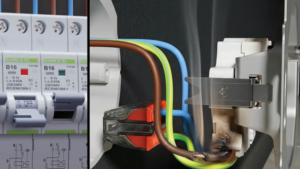
The engineering team at ASES Group has highlighted potential developments in electrical safety, focusing on how protecting the exact point of ignition could significantly reduce fire risks in residential and commercial installations. This approach builds upon the historical progression of circuit protection, which has evolved from basic fuses to modern devices like miniature circuit breakers (MCBs), residual current devices (RCDs), surge protection devices (SPDs), and arc fault detection devices (AFDDs).
Current electrical safety devices are designed to respond to specific fault conditions, such as overcurrent, earth leakage, voltage spikes, or high-frequency arc faults. While these technologies have drastically improved site and domestic safety, thermal events can still occur at loose terminations, degraded insulation, or faulty appliances before conventional tripping thresholds are met.
By focusing research on the direct thermal and physical conditions where ignition originates, safety engineers aim to close the remaining gaps in fire prevention, potentially informing future updates to wiring regulations and protective device standards.
What does this mean for a UK tradesperson or DIYer actually buying this kit — does it change what they should pay, buy, or watch out for?
For practicing electricians and domestic installers, there is no immediate change to your current buying decisions or installation practices. Existing consumer units, MCBs, RCDs, and AFDDs sourced from major trade counters remain fully compliant with current BS 7671 standards. You do not need to alter the gear you specify or buy today. However, sparkies should keep a close eye on this emerging technology, as future iterations could eventually lead to new device mandates in the On-Site Guide, influencing consumer unit board layouts, component costs, and consumer unit pricing over the coming years.
Continue to specify and install compliant circuit protection in accordance with current regulations, ensuring correct torque settings on all consumer unit terminals to prevent high-resistance connections, which remain the primary real-world cause of thermal ignition on site.
Reported by Professional Electrician — original article
Price alerts on the kit you're watching, plus the deals our team files each day.
Create a free account