








































Integrating fire stopping early in complex residential developments improves site safety, compliance, and installation quality for UK trades.
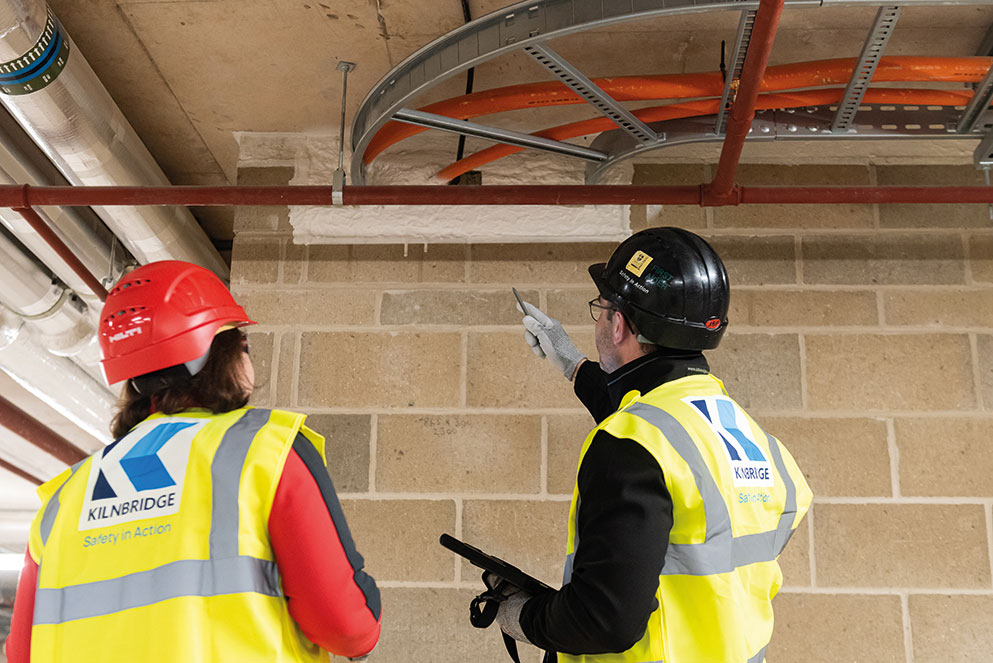
Modern residential developments are growing increasingly complex, prompting developers to rethink their approach to building safety. John Malone at Kilnbridge Fire Protection highlights a clear shift towards specifying and planning passive fire protection during the earliest design phases, rather than treating fire stopping as an afterthought late in the build.
Passive fire protection—including fire-rated batt, intumescent sealants, wraps, and structural collars—is essential for containing smoke and flame within designated compartments. Retrofitting these systems after services, pipework, and cabling are already installed often leads to compromised seals, awkward installations, and costly remedial work. Designing fire compartmentation early ensures products are fitted correctly to tested manufacturer specifications, satisfying modern building control standards.
For electricians, plumbers, and joiners, this shift means fire stopping is no longer just the sub-contractor's problem. When penetrating fire-rated walls or floors with cable trays, plastic pipework, or ducting, tradespeople must buy correctly tested sealants, wraps, and collars compatible with the specific substrate. Expect to see main contractors demanding strict compliance logs and exact product matches from trade counters like Screwfix or Toolstation. Purchasing cheap, non-certified foam or off-brand mastic to fill service voids creates severe liability risks under strict UK safety legislation. Buying certified kit and planning penetrations before fixing first-stage runs saves expensive re-work.
Ensuring compliance requires clear communication across trades before cutting holes in fire-rated partitions.
Reported by Housebuilder & Developer — original article




Price alerts on the kit you're watching, plus the deals our team files each day.
Create a free account