








































Using quality pipe seals and skirting covers improves domestic heating installations, protecting pipework and delivering a clean professional finish.
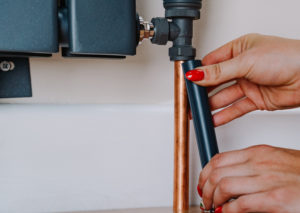
Paying attention to final detail work—such as installing pipe collars, floor seals, and skirting trunking—is essential for delivering high-quality domestic heating installations. Beyond aesthetic improvements, proper pipework concealment and sealing protect heating pipework from physical impact, stop draft ingress through wall penetrations, and shield floor coverings from thermal movement.
Roughly finished pipe entries through floorboards, tiles, or stud walls leave installations looking incomplete and expose copper or plastic pipework to abrasion against building materials. Modern pipe grommets, collar rosettes, and dedicated heating covers seal gaps cleanly while allowing natural expansion and contraction as central heating systems cycle through temperatures. This simple step prevents annoying creaks and unsightly wall cracking around pipe penetrations.
What does this mean for a UK tradesperson or DIYer actually buying this kit — does it change what they should pay, buy, or watch out for? Heating engineers, plumbers, and DIY renovators should build high-quality finishing accessories directly into their job quotes rather than treating them as an afterthought. Stocking up on inexpensive multi-packs of split pipe collars, radiator tail covers, and pipe-sheeting trims from merchants like Toolstation, Screwfix, or Wickes adds minimal material cost—typically just a few pounds per room—but significantly raises the perceived value of the job and prevents costly aesthetic callbacks.
Reported by PHPI Online — original article



Price alerts on the kit you're watching, plus the deals our team files each day.
Create a free account