







































NICEIC clarifies BS 7671 electrical safety rules, reinforcing Automatic Disconnection of Supply as the standard protective measure for UK installs.

The latest technical update from NICEIC engineers has addressed pressing queries from certified electrical businesses, focusing on core regulations within BS 7671. A central point of clarification reinforces that Automatic Disconnection of Supply (ADS) remains the most widely used protective measure across modern electrical installations in the UK.
According to regulation 410.3.3 of BS 7671, ADS provides fundamental protection against electric shock. The system combines basic protection through insulation or barriers with fault protection provided by protective earthing, protective equipotential bonding, and automatic disconnection via circuit breakers, fuses, or Residual Current Devices (RCDs).
For registered electricians and electrical contractors, staying fully aligned with NICEIC technical interpretations is essential for passing annual assessments and ensuring installation safety. Correctly applying ADS requires precise fault loop impedance testing and choosing appropriately rated protective devices to meet required disconnection times.
Understanding these fundamental requirements ensures that circuits are correctly designed, installed, and verified, whether carrying out a simple consumer unit swap or a complete commercial rewire.
What does this mean for a UK tradesperson or DIYer actually buying this kit — does it change what they should pay, buy, or watch out for?
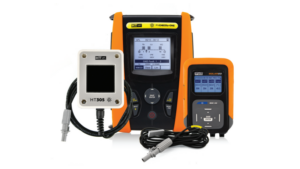
While this guidance confirms standard wiring regulations rather than altering the law, it directly influences the gear electricians and serious DIYers need on site. To guarantee compliance with ADS disconnection times, sparks must ensure they carry up-to-date, calibrated multi-function testers (MFTs) from brands like Megger, Fluke, or Kewtech to accurately measure earth fault loop impedance (Zs). When purchasing consumer units, circuit breakers, and RCDs from trade counters such as Screwfix, Toolstation, or electrical wholesalers, buyers should ensure they select Type A or Type F RCDs matched to modern electronic loads. DIYers tackling basic electrical alterations must budget for proper testing equipment or hire a qualified trade professional, as visual checks alone cannot confirm that an ADS system will trip safely during a fault.
Reported by Professional Electrician — original article
Price alerts on the kit you're watching, plus the deals our team files each day.
Create a free account