








































Martindale Electric's 2026 survey shows 40% of trade workers encounter unexpectedly live metalwork. Learn why voltage testing remains a critical safety step.
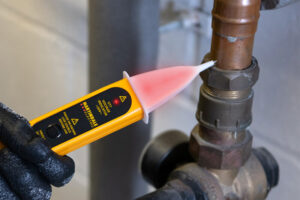
Data from Martindale Electric's Electrical Safety in the Workplace Survey 2026 highlights a persistent hazard across UK job sites. Approximately 40% of surveyed electrical workers reported encountering unexpectedly live metalwork during routine jobs. These incidents involved a range of everyday installations, including equipment casings, structural pipework, and commercial plumbing systems.
The findings indicate that despite established safe isolation procedures, a significant portion of tradespeople continue to risk severe shock hazards by failing to verify whether conductive surfaces carry dangerous touch voltages before starting work.
Unintended voltage on metalwork typically stems from faulty wiring, missing protective earthing, or degraded insulation in adjacent appliances. When tradespeople assume pipework or structural framework is safe without testing, they open themselves up to potentially lethal incidents. Martindale's research emphasises that checking for live metalwork must remain a non-negotiable step in initial site assessments, regardless of how routine the job appears.
For electricians, plumbers, and joiners buying testing equipment from merchants like Screwfix or Toolstation, this research underscores the necessity of carrying dedicated non-contact voltage indicators and proven voltage detectors alongside standard multimeter setups. Tradespeople should not rely solely on basic phase detectors when assessing metallic structures. Investing in reliable, GS38-compliant testing units—which generally range from £30 for entry-level voltage indicators up to £150+ for full proving unit kits—is essential for personal safety. Before touching any pipework or metallic casing, workers should establish a habit of testing exposed conductive parts, ensuring their kit is verified against a known proving source immediately before and after the check.
To reduce risk, tradespeople should ensure their testing tools are routinely calibrated and kept in working order. Combining proper voltage testing procedures with correct personal protective equipment remains the most effective defense against unexpected electrical hazards on site.
Reported by Professional Electrician — original article



Price alerts on the kit you're watching, plus the deals our team files each day.
Create a free account