



































Rising thermal standards and daylight requirements mean larger, heavier rooflights on UK sites. Here is how contractors must adapt lifting safety.
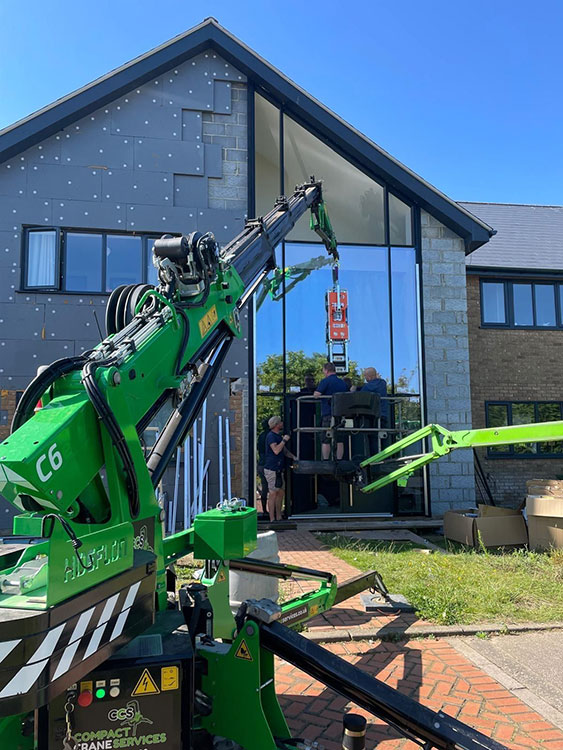
Modern residential developments are incorporating larger skylights, rooflights, and roof-mounted solar systems to satisfy strict natural lighting targets and the Future Homes Standard. As housebuilders push for brighter interiors and higher energy performance, the physical weight of these glazed architectural components has scaled up significantly.
Handling heavy roof-mounted materials introduces substantial site risks, particularly concerning manual handling injuries and safe working at height. Moving large, fragile structural glass units onto timber roof trusses or flat roof frames requires careful planning, dedicated lifting machinery, and strict adherence to health and safety protocols to protect workers below and on the rig.
For joiners, roofing contractors, and general builders operating on UK sites, the trend toward heavier glazed elements changes practical equipment requirements and site logistics. Standard manual lifting techniques are no longer sufficient or compliant for installing large-format roof windows ordered from builders' merchants like Travis Perkins or Wickes. Site managers and subcontractors need to factor specialist lifting frames, mechanical hoists, or crane hire directly into project quotes and risk assessments. Purchasing cheap standard glass suction pads will not cut it; contractors must invest in certified, heavy-duty vacuum lifters or ensure sub-contracted lifting specialists are retained for installation days to avoid HSE prohibition notices or site downtime.
Always verify the total unit weight of custom or high-specification rooflights prior to delivery, and confirm your site lifting plan accounts for access restrictions and safe working loads before materials arrive.
Reported by Housebuilder & Developer — original article


Price alerts on the kit you're watching, plus the deals our team files each day.
Create a free account