







































A rise in Legionella cases has prompted warnings for UK building managers, plumbers, and duty holders to review water safety protocols.
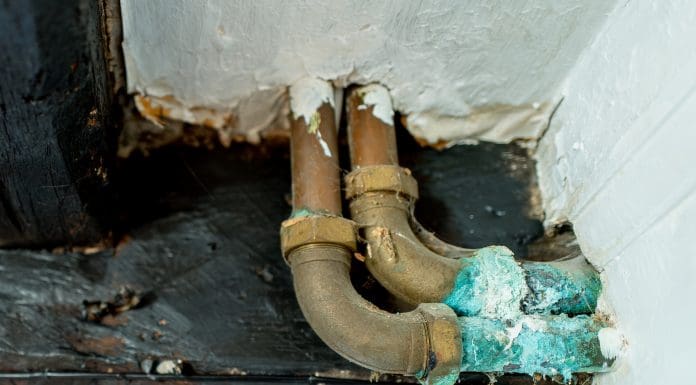
Building managers, duty holders, and commercial facility teams across the UK have been issued a fresh warning to audit their water management protocols following a rise in high-profile Legionella incidents. Recent outbreaks have put a sharp focus on site safety, highlights weaknesses in routine monitoring, and reinforced the legal responsibilities of those managing commercial, residential, and public water systems.
Legionnaires' disease—a severe lung infection caused by Legionella bacteria—typically thrives in poorly maintained water systems where temperatures sit between 20°C and 45°C. Stagnant pipework, neglected storage tanks, and uncommissioned outlets present prime breeding conditions, making regular flushing, thermal control, and rigorous testing essential components of facility maintenance.
What does this mean for a UK tradesperson or DIYer actually buying this kit — does it change what they should pay, buy, or watch out for?
For domestic and commercial plumbers, heating engineers, and property maintenance contractors, this uptick in warnings directly impacts both liability and product selection. Tradespeople carrying out water system installations, landlord safety checks, or system refits need to ensure their compliance documentation and testing gear are up to standard. Expect increased demand from building managers for specialist service work, including routine temperature profiling, system disinfections, and dead-leg removals.
When sourcing materials from merchants such as Screwfix, Toolstation, or Travis Perkins, installers should pay close attention to specification requirements. Purchasing digital thermostatic probes, reliable water-testing kits, and high-specification thermostatic mixing valves (TMVs) will be critical for compliance work. Contracting trades should also ensure they are specifying approved backflow prevention devices and anti-legionella flushing valves on commercial jobs, while factoring the cost of thorough system commissioning into their project quotes.
Contractors and maintenance crews should immediately check that any dormant or low-use water outlets under their control are flushed regularly. Ensure all temperature monitoring records are fully up to date before handing over completed mechanical installations to building owners.
Reported by PBC Today — original article



Price alerts on the kit you're watching, plus the deals our team files each day.
Create a free account