

































MSc research reveals how cultural communication differences and simple yes-responses create hidden health and safety risks on UK construction sites.

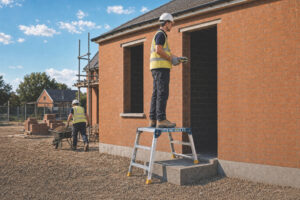
A new academic study examining communication on multicultural construction projects has highlighted how language barriers and cultural habits can compromise everyday site safety. The research, conducted by Muzammil Rafi as part of an MSc in Project Management, demonstrates that workers often nod or agree to instructions without fully understanding the underlying hazards or requirements.
The study focused on how cultural background influences safety behaviour, everyday operations, and hazard awareness. On busy sites, a worker answering with a quick affirmative response can give managers a false sense of security. In practice, operatives may simply be acknowledging the authority of the supervisor rather than confirming they comprehend the task risks, method statements, or control measures.
For site managers, main contractors, and principal designers, the findings reinforce the need for robust verification protocols rather than relying on verbal confirmation alone. Standard site inductions and brief toolbox talks often fail to catch simple misunderstandings. When site teams include non-native English speakers or sub-contracted crews from diverse backgrounds, relying on simple verbal check-ins increases the risk of accidents, enforcement action by the Health and Safety Executive (HSE), and costly project delays.
To mitigate these risks, site supervisors are increasingly urged to adopt practical demonstrations, visual risk assessments, and dynamic questioning. Asking workers to explain a process back in their own words ensures that method statements are properly understood before high-risk work begins.
What does this mean for a UK tradesperson or DIYer actually buying this kit — does it change what they should pay, buy, or watch out for?
While this research does not directly change the shelf price of power tools or PPE, it directly impacts how safety equipment, signage, and personal protective gear should be selected and deployed on site. Subcontractors and sole traders purchasing safety gear should look for standard-compliant visual aids, clear multi-language site signage, and PPE with unambiguous color-coding. When sourcing safety equipment from merchants such as Screwfix, Toolstation, or Travis Perkins, site managers should prioritise products that include standard pictorial instructions over dense text manuals, ensuring every operative on site can safely operate machinery regardless of native language.
Reported by Construction Management — original article
Price alerts on the kit you're watching, plus the deals our team files each day.
Create a free account