



































Q New Homes has transformed a disused dairy farm in the High Weald AONB into high-specification sustainable homes under strict planning constraints.
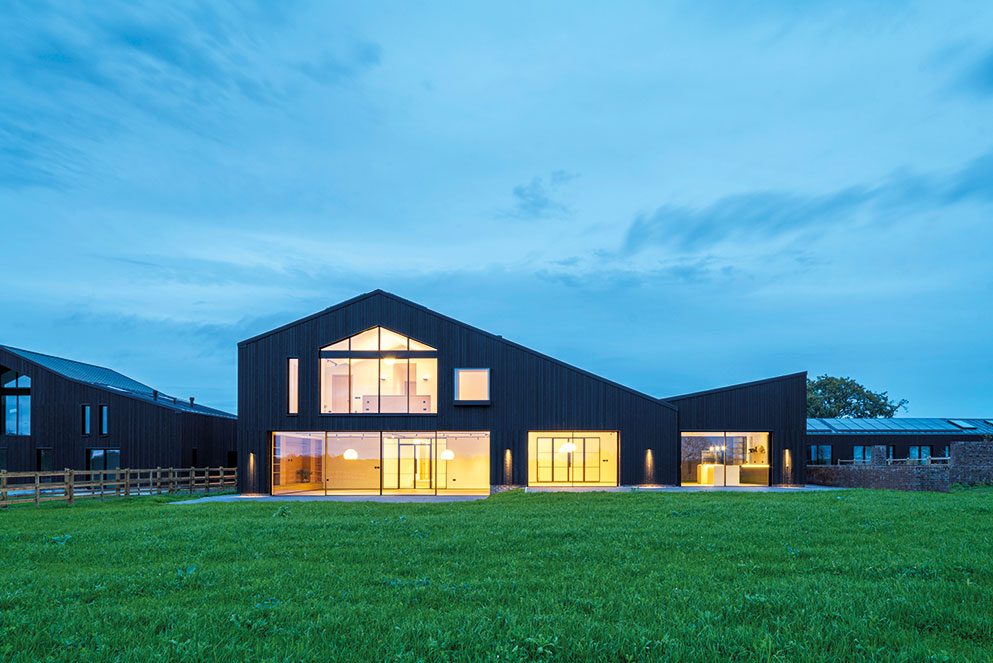
Developer Q New Homes has completed the transformation of a redundant dairy farm on the Kent and East Sussex border into a high-specification residential scheme. Working alongside architectural teams, the project involved clearing dilapidated agricultural structures and delivering sustainable homes within the protected High Weald Area of Outstanding Natural Beauty (AONB).
Developing within an AONB presents distinct challenges for regional housebuilders, requiring strict compliance with local authority planning guidelines, environmental constraints, and sensitive visual integration. The project required balancing modern energy performance standards with traditional rural architectural forms, ensuring the new dwellings minimized ecological disturbance while matching high-end residential specifications.
For sub-contractors, joiners, and groundworkers operating on sensitive rural sites, projects like this highlight the growing demand for sustainable building techniques and specialized materials. Trades working on high-end conversions must factor in the higher cost of locally sourced, planning-compliant materials such as traditional timber cladding, spec-matched brickwork, and specialist insulation. Builders pricing similar farm conversion projects should account for extended lead times on bespoke materials and build buffer into labor quotes to accommodate stringent planning officer inspections.
Regional contractors targeting rural conversion work should build expertise in low-impact construction methods and sustainable building envelopes, as local authorities increasingly mandate rigorous environmental criteria for permission in protected zones.
Reported by Housebuilder & Developer — original article
Price alerts on the kit you're watching, plus the deals our team files each day.
Create a free account