





































Latest HSE figures show UK construction lost 2.1m working days, with occupational ill health driving four-fifths of all site downtime.
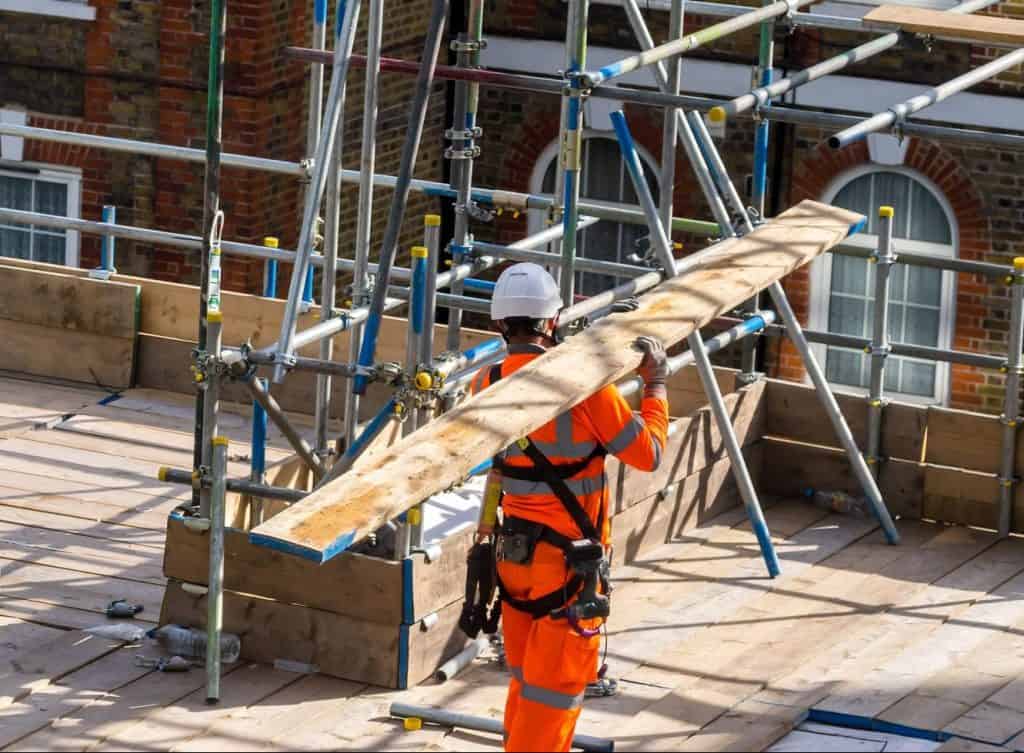
New data released by the Health and Safety Executive (HSE) reveals that the UK construction sector lost 2.1 million working days due to workplace injury and ill health in the latest reporting period. The statistics highlight a stark imbalance in site risk, with occupational illness accounting for approximately four-fifths of all lost time across the trade.
While catastrophic physical injuries often capture headline attention, long-term health conditions—including musculoskeletal disorders, stress, and respiratory issues caused by dust exposure—are currently responsible for the vast majority of downtime in the building industry. The figures demonstrate that chronic, day-to-day wear on tradespeople's bodies represents a significantly larger operational drain than acute accidents.
For independent contractors and larger construction firms alike, lost working days directly translate to delayed project completions, inflated labour costs, and increased pressure on remaining site crews. The heavy skew toward ill health underlines that traditional safety management—focusing primarily on slips, trips, and falls—fails to address the chronic hazards that systematically pull skilled workers off the tools.
Regulatory scrutiny around airborne hazards such as crystalline silica dust, alongside ergonomic compliance, continues to intensify. As the HSE places greater enforcement emphasis on occupational health, site managers and self-employed tradespeople face tighter expectations around risk mitigation, health surveillance, and daily equipment choices.
For tradespeople purchasing gear at Screwfix, Toolstation, or trade merchants, these figures mean health-preserving features are no longer optional luxuries, but essential investments to safeguard your earning capacity. Expect stricter enforcement around dust extraction on sites, making M-Class (or H-Class) dust extractors mandatory over basic L-Class units when cutting masonry or timber. When buying power tools, prioritise models featuring active vibration control (such as anti-vibration handles on SDS drills and angle grinders) to reduce the risk of Hand-Arm Vibration Syndrome (HAVS). Upgrading to certified knee pads, high-filtration respirators, and ergonomic hand tools requires higher upfront spending, but it protects against the chronic conditions that lead to unpaid time off work.
Tradespeople should audit their current kit to ensure compliance with modern occupational health standards. Replacing outdated personal protective equipment (PPE) and integrating integrated dust-collection systems into cordless tool platforms remain the most effective steps to avoid preventable, career-shortening illnesses.
Reported by ScaffMag — original article


Price alerts on the kit you're watching, plus the deals our team files each day.
Create a free account