








































Recent heatwaves highlight growing demand for domestic air conditioning. Heating engineers can expand into AC, but F-Gas regulations and specialist training are key considerations. Air-to-air heat pumps also fit this expanding market.
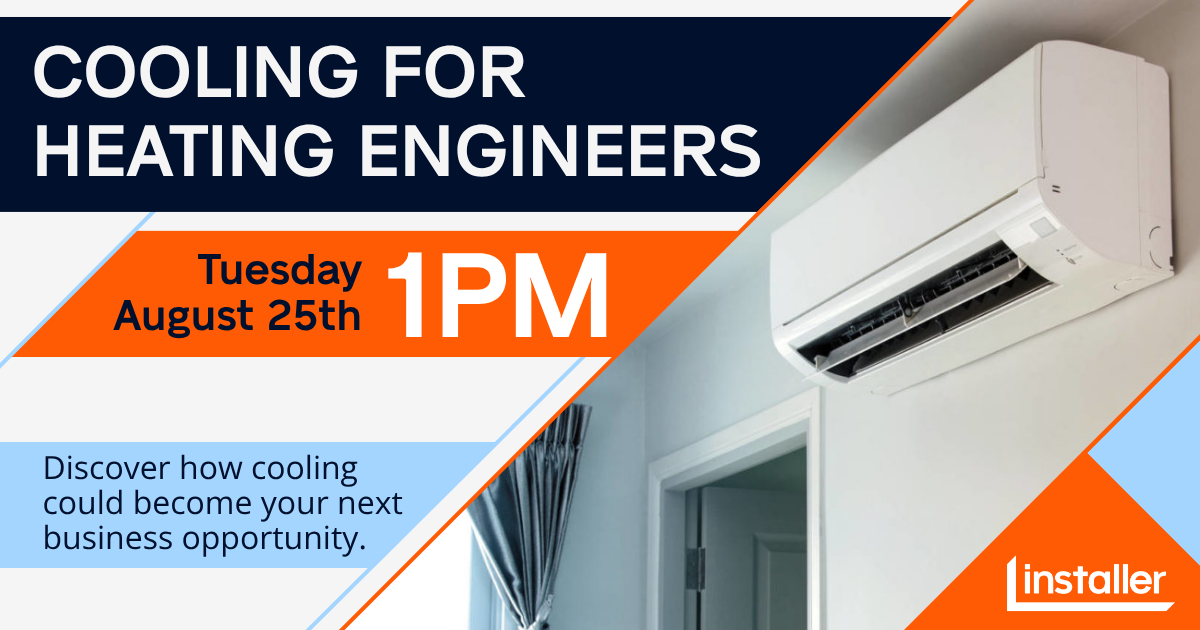
The UK’s recent prolonged heatwaves have brought into sharp focus a significant shift in domestic energy and comfort requirements. Traditionally, air conditioning has been seen as a commercial or luxury item in British homes, but increasing temperatures are driving a surge in demand for residential cooling solutions. This presents a considerable opportunity for heating engineers, who are well-positioned to diversify their services into the installation and maintenance of domestic air conditioning systems, including air-to-air heat pumps.
However, this expansion is not without its regulatory hurdles. Any installer working with refrigerants, which are central to air conditioning and heat pump operation, must comply with the F-Gas regulations. These regulations are designed to minimise emissions of fluorinated greenhouse gases, which contribute to climate change. Compliance typically requires specific certification, demonstrating competence in handling these substances safely and responsibly. For many heating engineers, this will mean undertaking additional training and assessment to gain the necessary qualifications.
The integration of air conditioning alongside existing heating specialisms also raises practical considerations. While the principles of fluid dynamics and thermal transfer are familiar, the specific installation techniques, fault diagnosis, and maintenance requirements for AC units differ from traditional boilers and radiators. Furthermore, the rising popularity of air-to-air heat pumps blurs the lines between heating and cooling even further, offering a dual-purpose solution that can provide efficient heating in winter and effective cooling in summer. This technology aligns well with the UK's decarbonisation targets and offers a compelling proposition for homeowners looking for energy-efficient climate control.
For UK tradespeople and serious DIYers looking to purchase or specify air conditioning or air-to-air heat pump equipment, this trend signals a few key watch-outs. Firstly, always verify the F-Gas certification of any installer you hire for AC or heat pump work. Uncertified installers risk non-compliance and potentially unsafe installations, which could also void warranties. While you won't directly pay more for the F-Gas certification itself, it ensures the quality and legality of the installation, protecting your investment. Brands like Daikin, Mitsubishi Electric, and Panasonic are prominent in this sector, offering a range of split systems and air-to-air heat pumps. You might find these units at specialist HVAC suppliers, but also increasingly through merchants like Screwfix and Toolstation, though installation by a qualified professional is paramount. For DIYers, while some basic portable AC units are available, installing fixed systems requires professional expertise due to refrigerant handling and electrical connections. Be wary of unbranded or significantly cheaper systems that might not meet UK standards or be supported by local service networks. Focus on reputable brands and ensure your chosen installer is fully compliant.
Reported by Installer Online — original article
Price alerts on the kit you're watching, plus the deals our team files each day.
Create a free account