








































The UK's first land referencing standard launches to give construction projects better clarity on land ownership, boundary rights, and legal access.
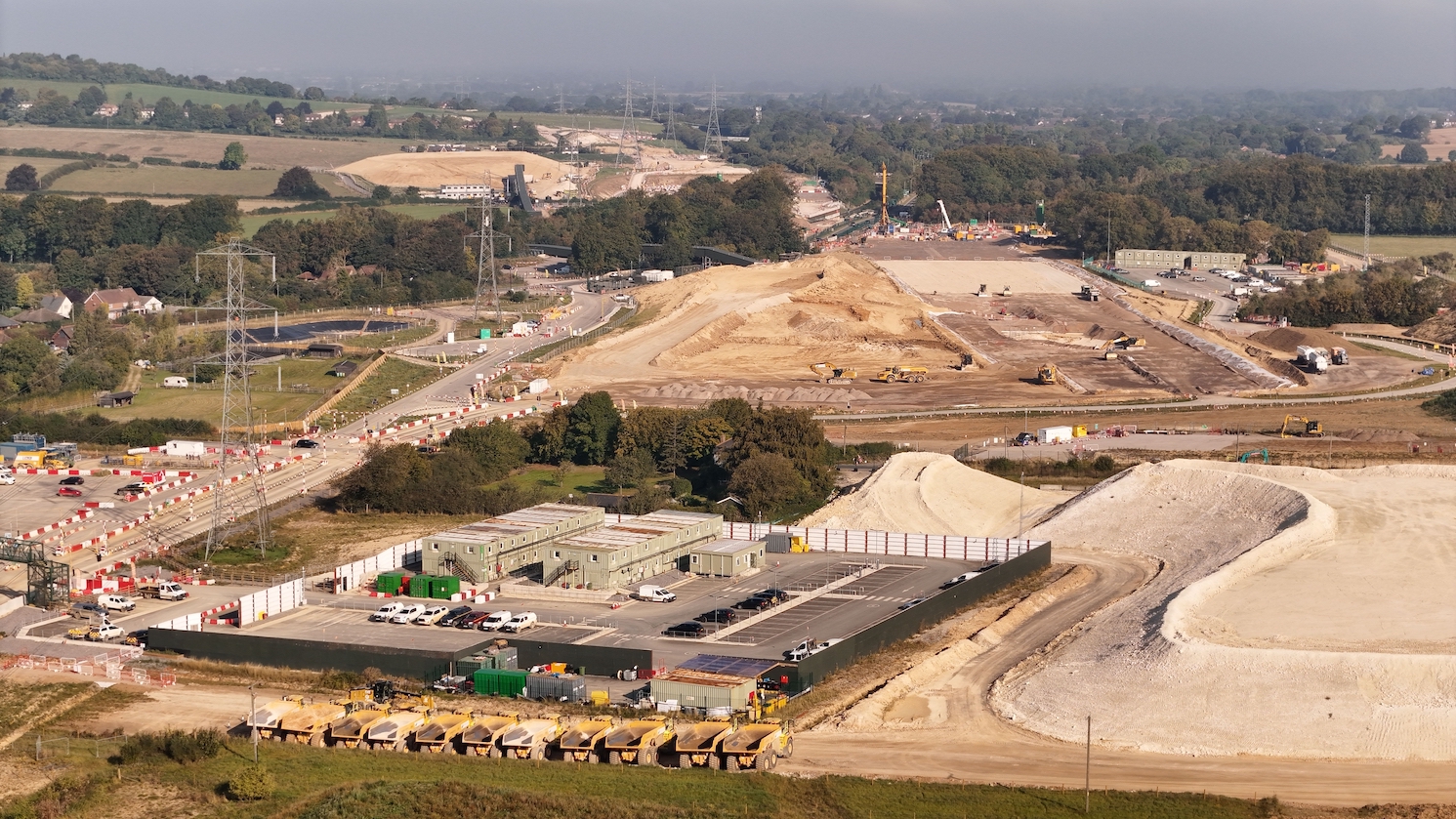
A new UK land referencing standard has been introduced to help infrastructure and construction projects identify land ownership, rights, and boundaries accurately from the start. Flaws or oversights in establishing land rights frequently lead to costly project halts, legal disputes, and budget overruns during early-stage development.
Land referencing involves identifying everyone with an interest in a piece of land subject to development or compulsory purchase. By creating a standardised framework, industry bodies aim to streamline how data is gathered, verified, and shared across public and private infrastructure schemes.
This initiative directly addresses long-standing frustration over fragmented records and unpredictable planning delays. Establishing a single, recognised methodology ensures that developers, contractors, and local authorities work from verified dataset benchmarks before broke ground.
While this standard operates at the planning and civil engineering level rather than the merchant counter, it has indirect implications for sub-contractors and site trades. Clearer upfront land referencing reduces the risk of sudden site access blockages, boundary disputes, or legal injunctions that stall ongoing projects. For sole traders and small firms working as sub-contractors on larger developments, fewer planning delays mean more reliable project schedules and less unpaid downtime, though it will not directly alter the retail price of building materials or power tools at Screwfix or Travis Perkins.
Reported by Construction Management — original article



Price alerts on the kit you're watching, plus the deals our team files each day.
Create a free account