








































E.ON invests £4 million into 1,000 home storage batteries to create a virtual power plant model and support UK grid resilience.
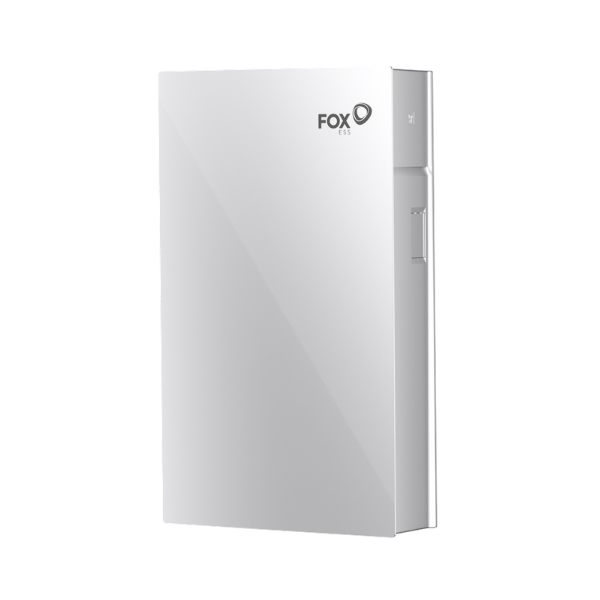
Energy supplier E.ON has announced a £4 million investment aimed at installing 1,000 domestic battery storage systems across Britain. The initiative forms part of the company's new 'Flex Fleet' model, designed to link domestic energy storage units into a aggregated network that supports the national electricity grid during peak demand periods while lowering household power costs.
By clustering domestic batteries strategically, E.ON aims to balance intermittent renewable power generation from wind and solar with local domestic consumption. The decentralised system stores excess electricity when generation is high and releases it back to the home or local network when demand spikes, alleviating strain on national grid infrastructure.
The roll-out highlights the growing convergence between residential energy management, solar installation, and battery technology. As energy providers create financial incentives for homeowners to adopt smart storage solutions, demand for skilled installations of battery units and accompanying isolation equipment is expected to rise across the domestic renewables sector.
What does this mean for a UK tradesperson or DIYer actually buying this kit — does it change what they should pay, buy, or watch out for? For qualified electricians and renewables installers, this commercial backing signals growing end-user demand for battery hardware and smart consumer units. While this specific scheme involves direct deployment by E.ON, trade electricians purchasing storage hardware through electrical wholesalers should monitor how utility-backed virtual power plant initiatives affect system compatibility requirements. When specifying domestic batteries, consumer units, and generation meters, ensure the hardware supports open communication protocols compatible with grid-balancing platforms. DIYers should note that home battery installations connected to the grid remain strictly non-DIY work, requiring Part P certified electricians to complete sign-off and notification.
Reported by Electrical Times — original article
Price alerts on the kit you're watching, plus the deals our team files each day.
Create a free account