
































Electrical Safety First addresses how BS 7671 wiring regulation updates impact contractors installing renewables, EV chargers, and complex energy systems.
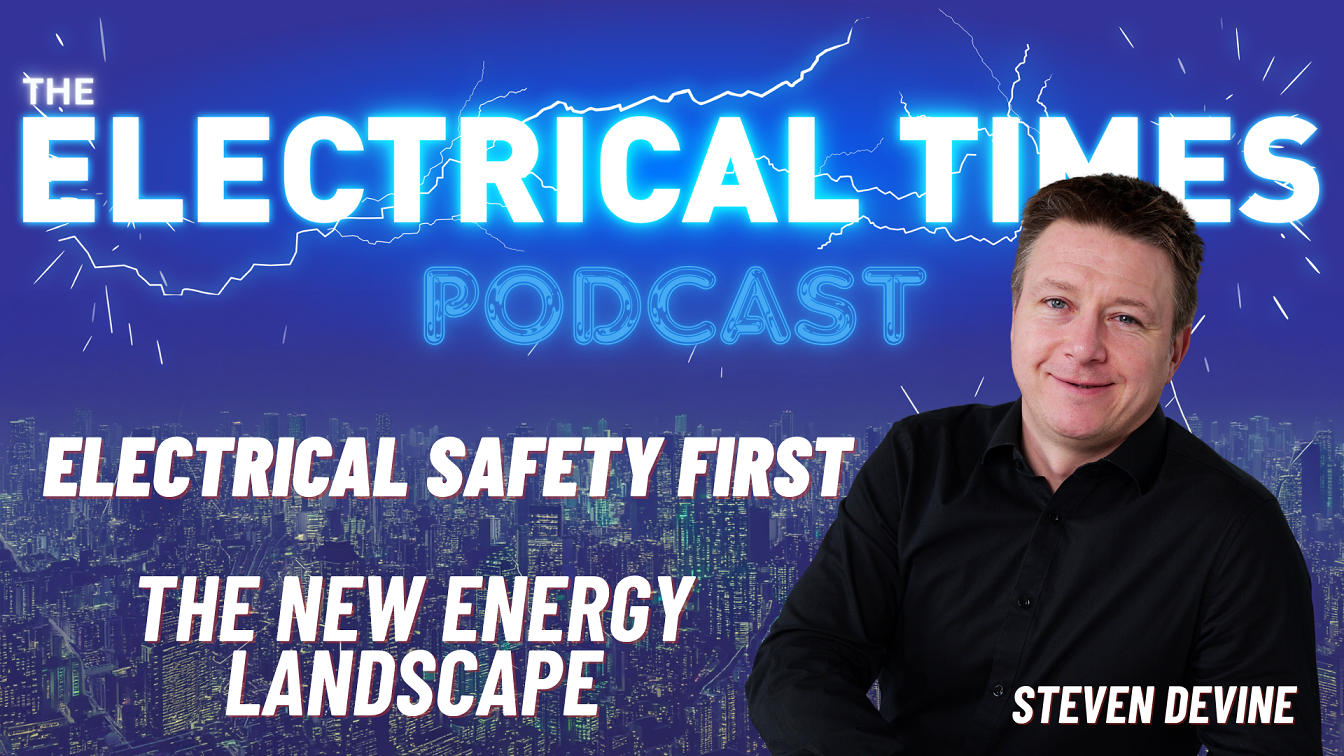
Electrical Safety First (ESF) has highlighted the operational impacts of recent amendments to the UK wiring regulations, focusing on the challenges contractors face when integrating modern energy technologies. Speaking on The Electrical Times Podcast, Steven Devine, Electrical Installation Safety Manager at ESF, detailed how updates to BS 7671 affect daily installation practices as domestic and commercial sites adopt increasingly complex renewable infrastructure.
The rapid roll-out of solar photovoltaics, battery energy storage systems (BESS), heat pumps, and electric vehicle charging points has shifted the scope of standard domestic electrical work. The latest regulatory amendments aim to address the safety risks associated with bidirectional power flows, prosumer installations, and microgrids. Electrical contractors are expected to navigate these updated safety standards to ensure compliance and prevent hazards such as DC fault currents or system overloading.
Understanding these amendments is critical for registered electricians, as non-compliance risks failing building control inspections and invalidating work sign-offs under Part P of the Building Regulations.
For UK electricians and qualified installers, these regulatory shifts directly dictate the test equipment and materials required on site. As micro-generation and storage systems become standard, contractors must ensure their kit complies with the specific requirements of updated BS 7671 standards.
Electricians should audit their current testing equipment and reference manuals immediately. Investing in updated multifunction testers designed for EV and solar installations will keep your tooling compliant with BS 7671 requirements and prevent costly re-testing on complex sites.
Reported by Electrical Times — original article
Price alerts on the kit you're watching, plus the deals our team files each day.
Create a free account