






































Essential advice for heating engineers installing electric boilers, focusing on electrical qualifications and site infrastructure demands.
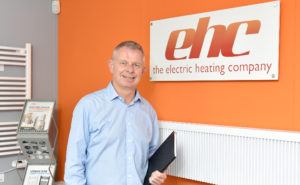
As the UK transitions away from fossil-fuel heating solutions, electric boilers are becoming an increasingly practical alternative for properties off the gas grid or subject to strict fluing constraints. David Barrett, CEO of The Electric Heating Company, outlines the critical requirements heating engineers and plumbers must consider when specifying and fitting these systems.
Installers must ensure they possess the necessary electrical qualifications alongside traditional plumbing competence. Because electric boilers pull heavy single-phase or three-phase electrical loads, verifying the existing consumer unit capacity and incoming main fuse supply is a vital preliminary step before recommending a unit to property owners.
Proper system sizing, correctly specified cable gauges, and adequate breaker protection are non-negotiable elements of a safe installation. Ensuring that heating engineers hold recognized electrical credentials protects both the installer and the homeowner while maintaining high standards across the domestic trade sector.
For plumbers and heating engineers expanding into electric boiler installs, or DIYers commissioning a heating upgrade, purchasing decisions extend far beyond buying the boiler unit itself from Travis Perkins, Wickes, or independent merchants. Installers must account for potential main fuse upgrades from distribution network operators (DNOs) and extra electrical hardware, which can increase overall installation costs. DIYers should never attempt a self-install on these units; purchasing an electric boiler requires budgeting for a fully qualified, electrically competent installer to certify the installation safely.
Reported by PHPI Online — original article


Price alerts on the kit you're watching, plus the deals our team files each day.
Create a free account