








































New CPD guidance highlights the critical factors in specifying tiling adhesives as large-format tiles and panels over 3m grow in popularity.
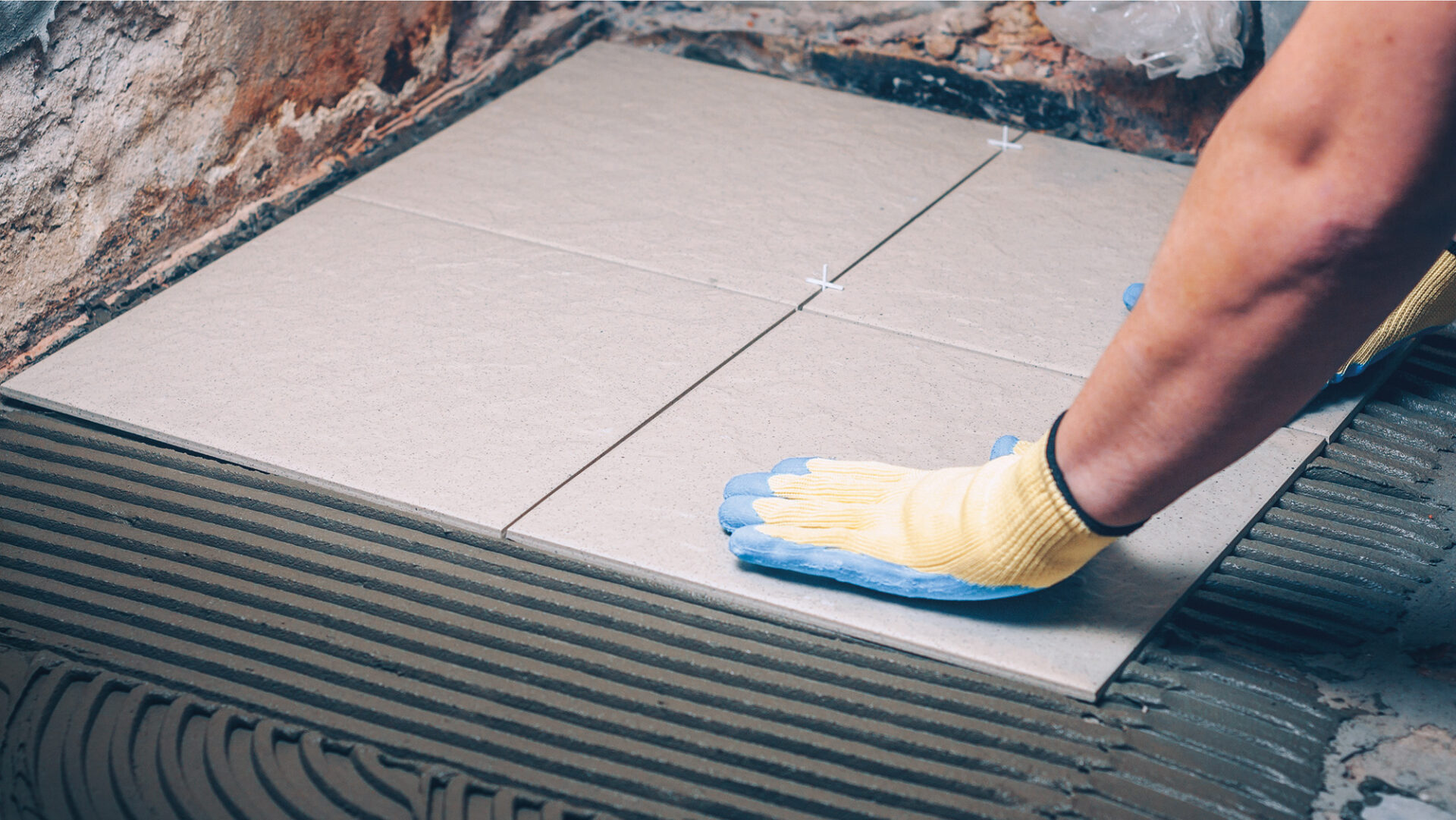
A new Continuing Professional Development (CPD) module published by Construction Management focuses on the technical challenges of specifying tiling adhesives. With the market increasingly leaning towards larger tile formats—including ultra-large porcelain panels measuring over three metres in height—selecting the correct bonding agent has become a critical element of job specification and building safety.
As tile dimensions expand, standard adhesive formulations are often no longer suitable. The CPD guidance outlines how factors such as substrate movement, tile porosity, weight loading, and thermal expansion must dictate the specific polymer-modified or cementitious adhesive required for a successful installation.
What does this mean for a UK tradesperson or DIYer actually buying this kit — does it change what they should pay, buy, or watch out for?
For wall and floor tilers, joiners, and general builders sourcing materials from trade counters like Screwfix, Toolstation, or Travis Perkins, this technical shift directly affects purchasing choices and project pricing. Choosing a standard C1 adhesive to save money on a large-format job introduces a high risk of debonding and costly remedial work. Buyers must look for flexible, highly polymer-modified adhesives (typically classified as C2 S1 or C2 S2 under BS EN 12004) when handling oversized tiles or underfloor heating installations.
While these specialist flexible adhesives carry a price premium over standard off-the-shelf bags, factoring the correct product into the quote is essential to prevent structural failures. Tradespeople should always verify substrate preparation requirements and open-time allowances before buying bulk bags for large-panel projects.
When installing large-format porcelain or stone, never default to basic tile adhesives. Always match the classification code on the bag directly to the tile weight, dimensions, and substrate movement to ensure full compliance and avoid backcharges.
Reported by Construction Management — original article



Price alerts on the kit you're watching, plus the deals our team files each day.
Create a free account