








































WG Carter fined £120,000 by HSE after a carpenter suffered a fatal fall through an unsafe first floor during an Oxfordshire house refurbishment.

Oxfordshire-based contractor WG Carter has been fined £120,000 following a Health and Safety Executive (HSE) prosecution after a carpenter fell to his death on a domestic refurbishment site in Gloucestershire. The fatal incident occurred when the worker fell through an unsafe first-floor structure during ongoing renovation works.
The investigation highlighted critical failures in managing site risks, specifically around working at height and securing internal floor openings during major structural alterations. The substantial fine reflects the severity of the safety breaches identified on the residential refurbishment scheme.
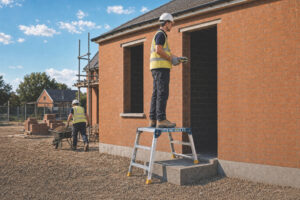
Falls from height remain the leading cause of fatal injuries in the UK construction sector. This prosecution serves as a stark reminder that sub-contracted trades, including joiners and carpenters, face significant risks on domestic refurbishments where temporary flooring and edge protection are frequently neglected or prematurely removed.
Principal contractors face increasingly strict enforcement from the HSE, with financial penalties scaled to penalize inadequate risk assessments, poor edge protection, and a lack of clear safety management on residential sites.
What does this mean for a UK tradesperson or DIYer actually buying this kit — does it change what they should pay, buy, or watch out for?
For self-employed tradespeople and small building firms, this ruling underscores the critical need to budget for professional-grade fall prevention and access equipment rather than relying on makeshift site arrangements. When pricing domestic refurbishments, contractors must factor in the cost of certified temporary decking systems, safe hatch covers, modular edge protection, and stairwell guards alongside core tools.
Purchasing compliant safety barriers, scaffold towers, or fall-arrest harnesses from major merchants like Screwfix, Toolstation, or Travis Perkins adds to initial job overheads, but attempting to cut costs on edge protection exposes site workers to lethal hazards and contractors to business-ending fines. Tradespeople working on site should actively inspect temporary flooring before stepping onto suspended levels and refuse to work until proper edge protection is physically installed.
Reported by Construction Management — original article
Price alerts on the kit you're watching, plus the deals our team files each day.
Create a free account