








































Learn the correct placement and installation rules for carbon monoxide alarms to comply with UK safety standards and protect domestic properties.
Carbon monoxide (CO) remains one of the most dangerous hidden hazards in residential properties. Produced by the incomplete combustion of fossil fuels such as gas, oil, wood, and coal, the poisonous gas is completely colourless, odourless, and tasteless. Because human senses cannot detect it, correctly positioned and fully operational CO alarms are the only reliable early warning system for occupants.
Guidance from industry specialists at Aico re-emphasises the critical importance of alarm placement to ensure early detection and compliance with building regulations. Carbon monoxide detectors should be installed in every room containing a fuel-burning appliance, such as a boiler, log burner, or gas fire. Additionally, detectors should be positioned in high-risk areas, including bedrooms where flues pass through or spaces where occupants spend significant amounts of time.
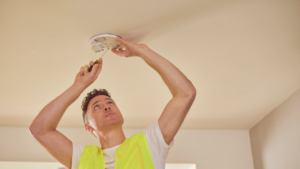
When mounting an alarm on a wall, it should be positioned at height, ideally above the level of any door or window, but at least 150mm from the ceiling. If ceiling-mounted, the detector must be located at least 300mm away from any wall or light fitting to avoid dead air spaces where gas may not freely circulate. Furthermore, alarms should sit horizontally between 1 metre and 3 metres away from the potential fuel-burning source.
What does this mean for a UK tradesperson or DIYer actually buying this kit — does it change what they should pay, buy, or watch out for? Whether you are an electrician fitting mains-powered units or a DIYer picking up sealed 10-year battery alarms from Wickes, B&Q, or Toolstation, proper positioning is just as critical as buying a certified product. Buying an EN 50291-compliant alarm—typically costing between £15 and £40 depending on whether it features digital displays or radio-link interconnectivity—is useless if it is fitted in a dead air space or too close to an extraction fan. Electricians and plumbers carrying out safety checks must ensure they don't simply replace old units like-for-like without verifying that the original position meets modern manufacturer guidelines and Building Regulations Approved Document J.
Installers should avoid placing CO detectors directly next to fuel-burning appliances, in damp or humid areas like bathrooms, or in locations where air movement is obstructed by furniture or curtains. Regular testing and ensuring interconnected alarm systems are used across larger properties provide the highest level of life safety for occupants.
Reported by Professional Electrician — original article
Price alerts on the kit you're watching, plus the deals our team files each day.
Create a free account