







































Lowndes Lumb Construction fined £60,000 after a worker sustained life-changing injuries in a fall, highlighting critical safety failures on site.
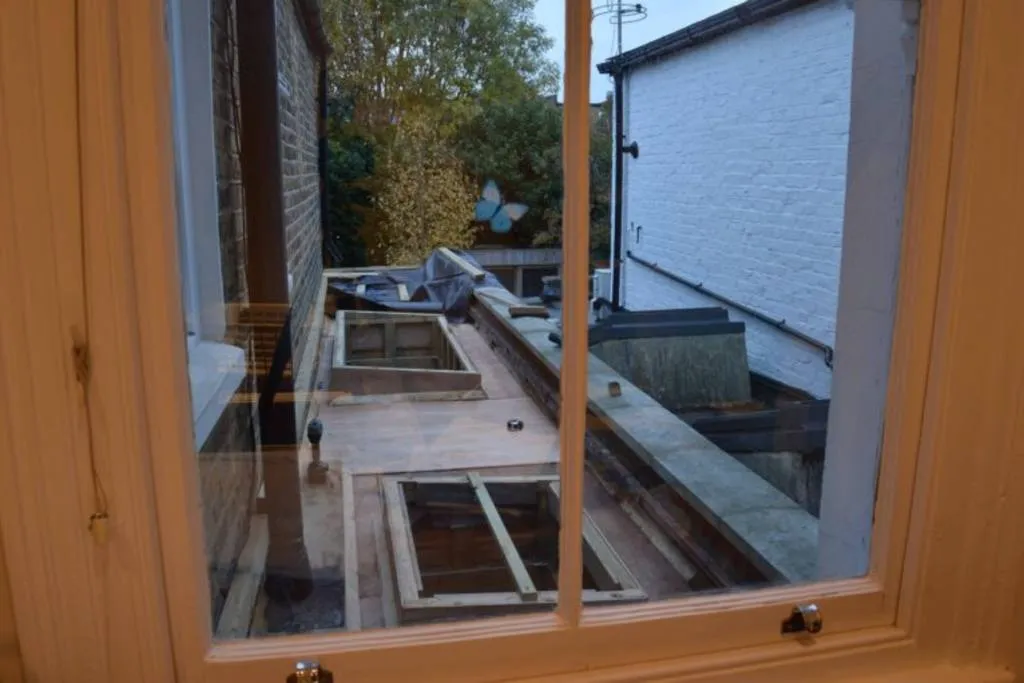
A domestic building firm, Lowndes Lumb Construction, has been hit with a significant £60,000 fine following an incident where a worker suffered life-changing injuries after falling from height. The worker fell onto a concrete floor during a roof refurbishment project, an accident the Health and Safety Executive (HSE) has attributed to serious safety failings.
The incident underscores the persistent risks associated with working at height in the construction industry, particularly when proper safety protocols are not rigorously followed. The HSE’s statement indicates that the company's actions, or lack thereof, directly contributed to the severity of the worker's injuries. This ruling serves as a stark reminder to all contractors, regardless of the size of the project, that legal and ethical obligations to protect workers must always be paramount.
Falls from height remain one of the leading causes of serious injury and fatalities in construction. This case specifically involved a roof refurbishment, a common activity for many tradespeople and even serious DIYers. The financial penalty, alongside the human cost of life-changing injuries, highlights the severe consequences of neglecting safety measures such as appropriate scaffolding, edge protection, and fall arrest systems.
For UK tradespeople and serious DIYers, this ruling doesn't directly change what kit they should buy or pay for in terms of specific product models or price points from retailers like Screwfix, Toolstation, Wickes, or B&Q. However, it profoundly reinforces the absolute necessity of investing in and correctly using appropriate safety equipment. While the fine itself is levied against the company, the underlying cause – a fall from height – is a risk faced by anyone working on roofs or elevated structures.
This means tradespeople should be vigilant when purchasing scaffolding, access towers, safety harnesses, lanyards, and roof ladders. Look for products that meet current British Standards (BS EN) and ensure they are fit for purpose. Don't compromise on quality for a lower price when it comes to safety gear. For example, a cheaper, less stable access tower might seem appealing, but the long-term cost of an accident far outweighs any initial saving. Retailers offer a range of safety equipment; focus on robust, certified options from reputable brands. Always check for proper training and instruction when using complex safety systems. For DIYers, if a task involves working at height, consider whether it's truly within your capabilities and if you have access to the necessary professional-grade safety equipment, or if it's a job best left to certified professionals.
The practical takeaway from this case is the unequivocal need for comprehensive safety planning and execution on every job involving height. This includes thorough risk assessments, providing suitable equipment, ensuring its correct use, and adequate supervision. For contractors, this means investing in training for all staff on working at height regulations and the correct use of safety equipment. For individual tradespeople, it means taking personal responsibility to understand the risks of each task and to use the provided or personally owned safety gear correctly. No job is worth a life-changing injury, and the cost of prevention is always less than the cost of an accident.
Reported by Construction News — original article
Price alerts on the kit you're watching, plus the deals our team files each day.
Create a free account