








































Paul Greengrass of DiversiTech discusses key considerations for air source heat pump insulation to ensure system efficiency and regulatory compliance.
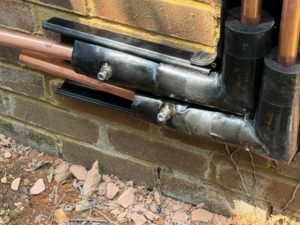
As the adoption of air source heat pumps (ASHPs) accelerates across the UK, selecting and installing the correct insulation for pipework has become a critical factor in overall system efficiency. Paul Greengrass, Product Development Director at DiversiTech, has outlined key considerations for installers navigating external insulation requirements for heat pump installations.
Proper insulation on heat pump pipework prevents energy loss between the outdoor unit and the property, protects external lines from thermal degradation, and guards against freezing during winter months. As heat pump standards tighten, ensuring the correct UV-resistant and weatherproof insulation is specified is vital for long-term reliability and compliance with British standards.
What does this mean for a UK tradesperson or DIYer actually buying this kit — does it change what they should pay, buy, or watch out for?
For heating engineers, plumbers, and general builders, standard indoor pipe insulation is insufficient for heat pump installations. When purchasing from trade merchants like Screwfix, Toolstation, or Travis Perkins, installers must specifically look for heavy-duty, UV-stable external pipe insulation tailored for heat pump refrigerant and water lines. While these specialized materials carry a higher initial price point than standard foam lagging, using inferior indoor products outdoors leads to premature degradation, severe system efficiency losses, and costly callback repairs. Tradespeople should ensure insulation kits match pipe diameters precisely and comply with the latest heat loss regulations.
When selecting insulation materials for ASHP installations, trades should prioritize pre-formed, weather-resistant insulation sleeves that fit both liquid and gas lines. Protecting external runs from bird damage and weather wear using robust trunking systems will ensure the installation remains compliant and runs at peak efficiency for years to come.
Reported by PHPI Online — original article
Price alerts on the kit you're watching, plus the deals our team files each day.
Create a free account