









































Practical installation tips for gas engineers transitioning to air source heat pumps, covering system design, pipe sizing, and commissioning.
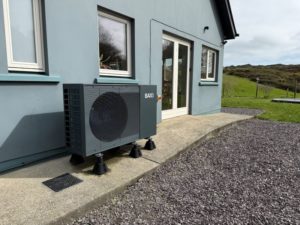
As the UK accelerates its transition toward low-carbon heating, traditional gas engineers are increasingly turning to air source heat pump (ASHP) installations. Practical guidance published by PHPI Online highlights that while the core hydronic principles remain familiar, achieving peak seasonal efficiency requires specific adjustments to system design, pipework sizing, and flow rate management.
Unlike traditional gas boilers that run efficiently at higher flow temperatures, heat pumps operate most effectively at lower temperatures around 35°C to 45°C. To deliver adequate output without driving up running costs, installers must prioritize accurate room-by-room heat loss calculations rather than relying on rough estimates. Upgrading existing distribution pipework and selecting larger emitter surface areas—such as oversized radiators or underfloor heating—are critical steps to maintaining adequate flow rates.
What does this mean for a UK tradesperson or DIYer actually buying this kit — does it change what they should pay, buy, or watch out for? Heating engineers making the switch to heat pump installations will need to invest in specialized tools and recalibrate their material purchases at trade merchants like Toolstation, Screwfix, or local plumbing merchants. Installers should budget for high-precision digital manifolds, ultrasonic flow meters, and larger-diameter copper or multilayer pipework (typically 28mm) to handle the higher flow rates required by low-temperature systems. For DIYers or homeowners buying replacement radiators, off-the-shelf standard Type 22 or Type 33 radiators will need to be sized significantly larger than previous gas-suited models. Buyers should watch out for cheap, undersized fitting kits that restrict flow, as using under-spec materials will result in high electricity bills and poor system performance.
Ensuring correct hydronic balancing, fitting suitable magnetic dirt filters, and thoroughly flushing the system prior to commissioning remain essential practices. Following precise installation methods prevents premature compressor wear and ensures the heating system delivers promised energy savings.
Reported by PHPI Online — original article
Price alerts on the kit you're watching, plus the deals our team files each day.
Create a free account