








































Understanding air source heat pump condensate volumes and management requirements for UK heating installations.
Air source heat pumps (ASHPs) generate significant volumes of water during normal operation, particularly when running in lower ambient temperatures or high-humidity conditions. Managing this condensate effectively is a critical aspect of outdoor unit installation that directly impacts system performance and property safety.
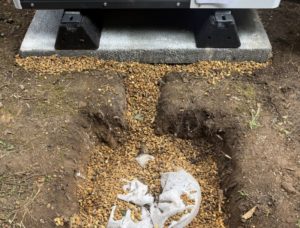
During defrost cycles, moisture frozen onto the evaporator coil melts rapidly, creating liquid runoff that must be routed away from the unit. Without correct drainage planning, this water can pool around the base of the installation, creating slip hazards in freezing weather or compromising building foundations.
Proper management requires installers to integrate targeted drainage paths during the initial fitting process. Depending on the site layout, condensate must be directed into soakaways, gully drains, or internal waste systems, sometimes requiring trace heating cables to prevent drain lines from freezing solid during extreme winter conditions.
What does this mean for a UK tradesperson or DIYer actually buying this kit — does it change what they should pay, buy, or watch out for?
For heating engineers, plumbers, and advanced DIYers specifying heat pump jobs, condensate management directly adds to overall material costs and installation complexity. You must factor in additional components—such as specialized condensate pumps, insulated pipework, trace heating kits, and gravel soakaway materials—when pricing a project. Skimping on these accessory lines risks costly callouts when severe frosts hit. Installers should source dedicated outdoor condensate collection kits from plumbing merchants alongside the main heat pump unit to ensure compliance with local building regulations.
Reported by PHPI Online — original article
Price alerts on the kit you're watching, plus the deals our team files each day.
Create a free account