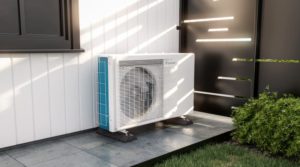









































Ariston expands its UK heating offering with the Nimbus 5 R290 heat pump range, featuring eco-friendly refrigerant technology for residential installations.
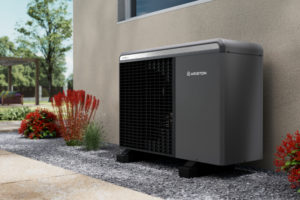
Ariston has officially widened its domestic heating line-up with the introduction of the Nimbus 5 R290 heat pump range. The new addition incorporates R290 refrigerant (propane), a natural alternative that offers significantly lower Global Warming Potential (GWP) compared to traditional synthetic refrigerants like R410A or R32. The rollout reflects a wider push across the UK heating sector toward low-carbon technologies aligned with updated building performance expectations.
The integration of R290 allows the unit to deliver higher flow temperatures more efficiently, making it a viable candidate for both new-build developments and retrofitting into existing residential properties. As the UK continues its transition away from fossil-fuel boilers, manufacturers are expanding their R290 options to give plumbing and heating engineers more flexible choices for residential projects.
What does this mean for a UK tradesperson or DIYer actually buying this kit — does it change what they should pay, buy, or watch out for?
For heating engineers, plumbers, and self-builders looking to purchase through trade merchants like Wolseley, City Plumbing, or Travis Perkins, the arrival of the Nimbus 5 R290 alters both product selection and installation safety protocols. Because R290 is a flammable (A3 class) refrigerant, installers must pay close attention to minimum clearance distances and outdoor siting rules required by regulations. While the unit itself may carry a price premium over older R32 models, its higher efficiency and capability to deliver high water flow temperatures can eliminate the need to upgrade every existing radiator in a retrofit project, saving overall material costs. Installers should ensure they have completed the specific flammable refrigerant safety training before specifying or purchasing these units.
Before ordering an R290 system for a customer site, verify the physical footprint and clear air requirements needed around the outdoor unit. Factoring in specific site geometry early prevents costly re-siting delays or compliance issues during final commissioning.
Reported by PHPI Online — original article
Price alerts on the kit you're watching, plus the deals our team files each day.
Create a free account