








































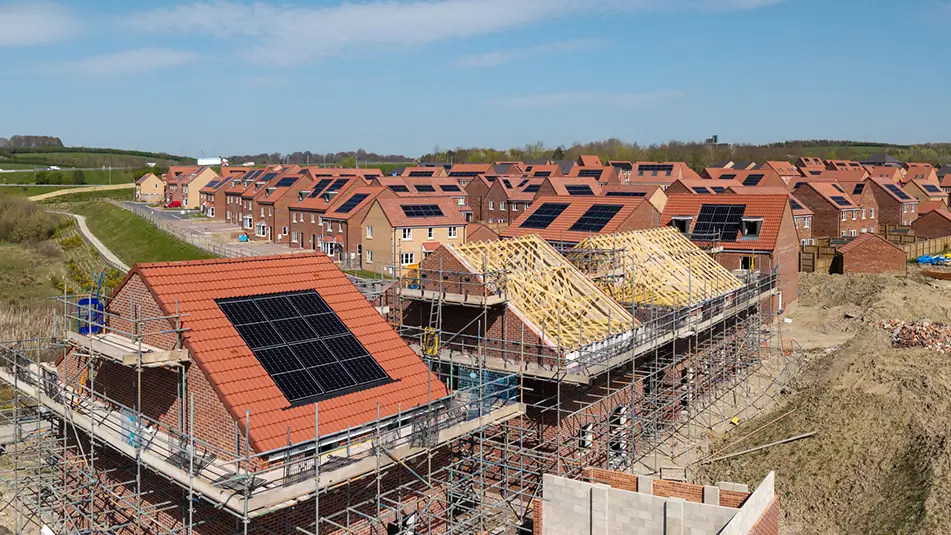
Architects and material manufacturers collaborate to boost sustainable homebuilding through early material choices and technical product data.

The push toward lower-carbon construction across the UK is increasingly reliant on early-stage collaboration between architects and material manufacturers. By incorporating sustainable product specification at the design phase, housebuilders can better meet stringent environmental targets and long-term performance standards for new-build residential projects.
Architects provide the technical design vision for energy-efficient homes, but manufacturers supply the crucial product data and technical backing required to turn these concepts into compliant builds. Detailed environmental product declarations and performance metrics allow designers to select insulation, masonry, timber, and envelope systems that minimise embodied carbon without sacrificing structural integrity.
What does this mean for a UK tradesperson or DIYer actually buying this kit — does it change what they should pay, buy, or watch out for?
For site trades, joiners, and sub-contractors purchasing materials from merchants like Travis Perkins, Jewson, or Wickes, this structural shift means seeing more eco-focused building products on the shelves. Installers should expect increased demand for specialized insulation, engineered timber systems, and low-carbon cement alternatives. While these specialized materials can carry a price premium compared to traditional lines, tradespeople must pay close attention to manufacturer fitting instructions and compatibility requirements, as improper installation can invalidate the performance data architects rely on to achieve compliance.
Reported by Housebuilder & Developer — original article



Price alerts on the kit you're watching, plus the deals our team files each day.
Create a free account